Photo via Fast Company
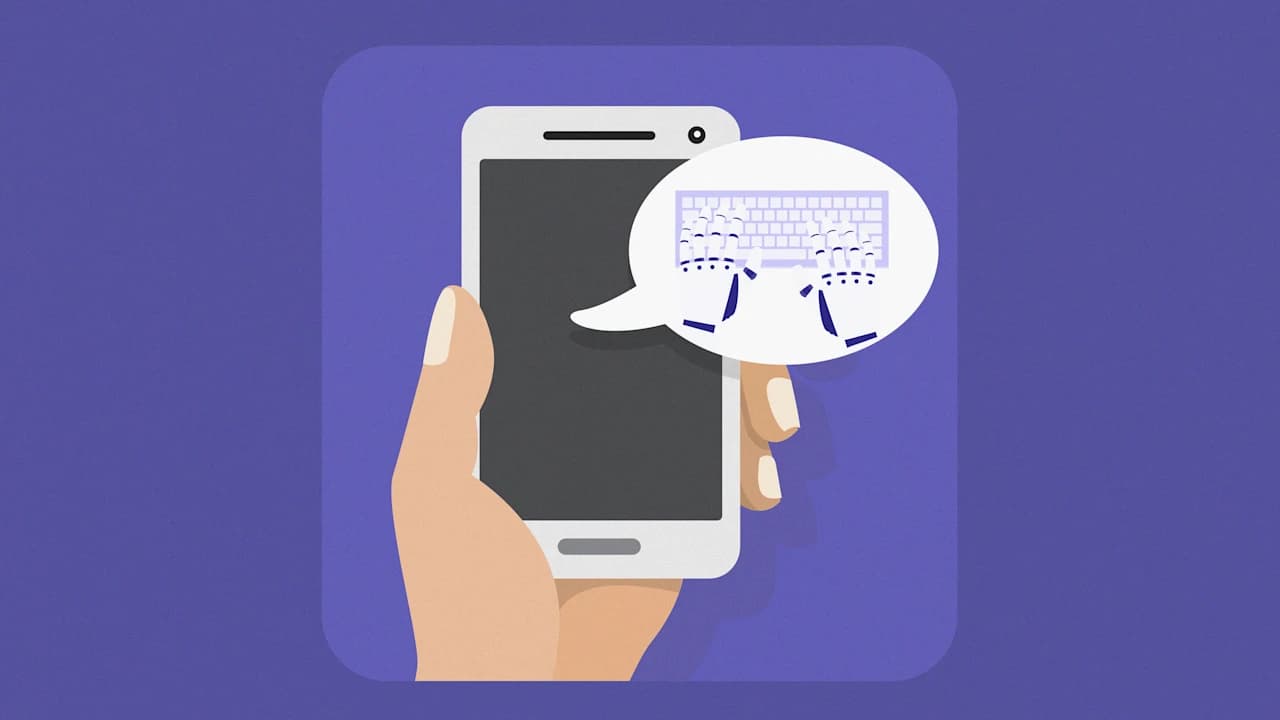
A recent study from the University of Michigan raises critical questions about how artificial intelligence is reshaping workplace communication and professional relationships. Researchers conducted experiments with over 1,300 participants and found that when people don't know a message was AI-generated, they form equally positive impressions as they would if it were written by hand. The problem: most recipients never suspect AI authorship in the first place, even when they regularly use the technology themselves.
For Nashville-area business leaders and HR professionals, the implications are significant. The research identifies what academics call an "AI disclosure penalty"—when companies or employees openly acknowledge using AI to draft communications, they face reputational damage and are perceived as lazy or insincere. Conversely, those who use AI without disclosure face virtually no detection risk, creating a moral gray area that affects hiring decisions, client trust, and internal team dynamics.
The shift in hiring practices already reflects this tension. Employers nationwide are increasingly dismissing cover letters as unreliable signals of genuine effort, instead prioritizing in-person interviews, professional references, and networking connections. This trend could accelerate in Nashville's competitive job market, where personal relationships and direct communication may become even more valuable currencies than polished written submissions.
Business leaders should consider how this research affects their organizational policies around AI use. Rather than waiting for detection methods to improve—which remain unreliable even with specialized tools—Nashville companies might establish clear guidelines about when and how AI should be used in client-facing and internal communications. The safest strategy remains what it has always been: when authenticity matters most, pick up the phone or meet in person.