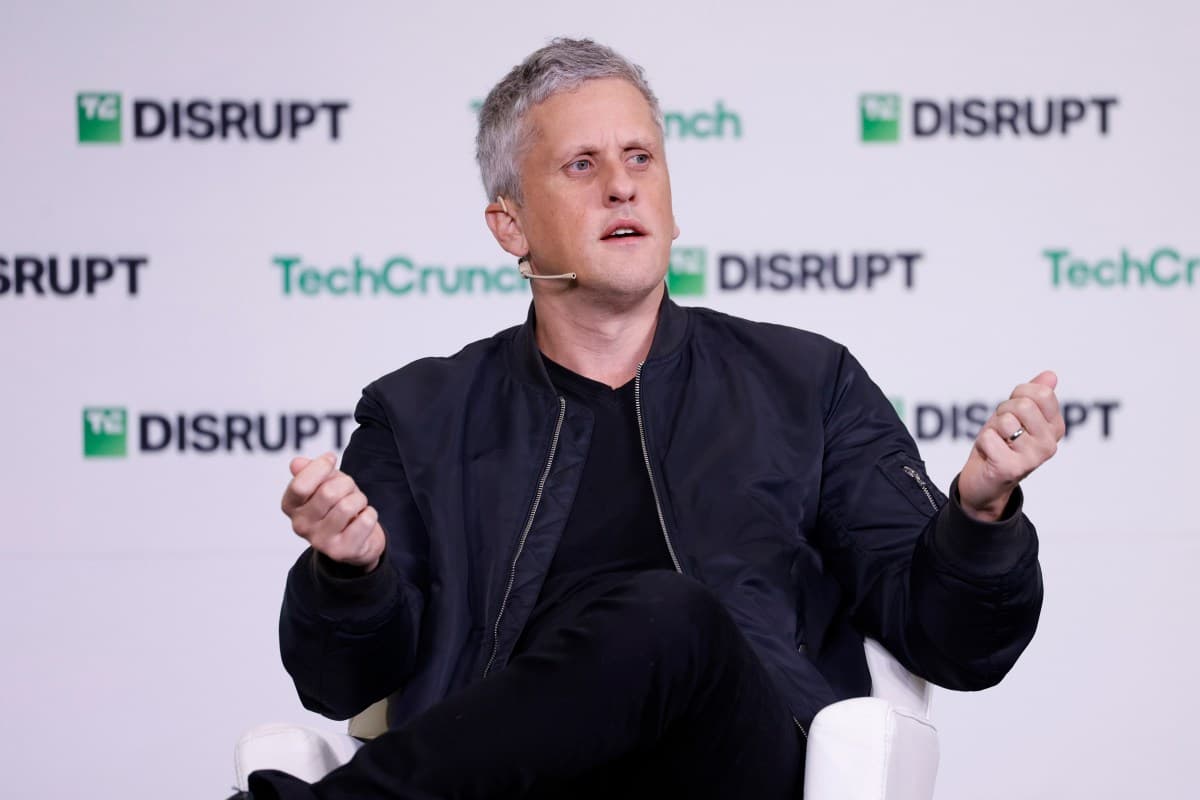
Photo via TechCrunch
A growing disconnect is emerging between corporate decision-makers and the employees whose jobs hang in the balance. According to Box founder Aaron Levie, executives championing AI automation often lack deep understanding of the roles they're eliminating, a phenomenon he describes as "AI psychosis." This mismatch between strategic intent and operational reality raises critical questions for Nashville-area business leaders evaluating their own AI adoption strategies.
The consequences are already visible across the tech sector. Companies like ClickUp have announced massive workforce reductions—cutting 22% of staff—under the premise that AI agents can absorb those responsibilities. Early data from 2026 suggests the trend is accelerating, with tech layoff numbers already approaching the cumulative total from all of 2025, signaling an industry-wide rush to automation that may outpace careful workforce planning.
For Nashville businesses, particularly those in emerging tech hubs and service sectors, the lesson is cautionary. Making personnel decisions based on optimistic AI capabilities rather than realistic assessments of workflow complexity can create operational gaps, damage institutional knowledge, and erode employee trust. Leaders should ensure that those championing automation solutions genuinely understand the nuanced nature of the work being considered for replacement.
As the AI wave continues, thoughtful implementation matters more than speed. Nashville companies that balance technological innovation with pragmatic evaluation of their actual business needs—and involve employees in the assessment process—are more likely to realize genuine AI benefits without the collateral damage of premature, poorly informed cuts.