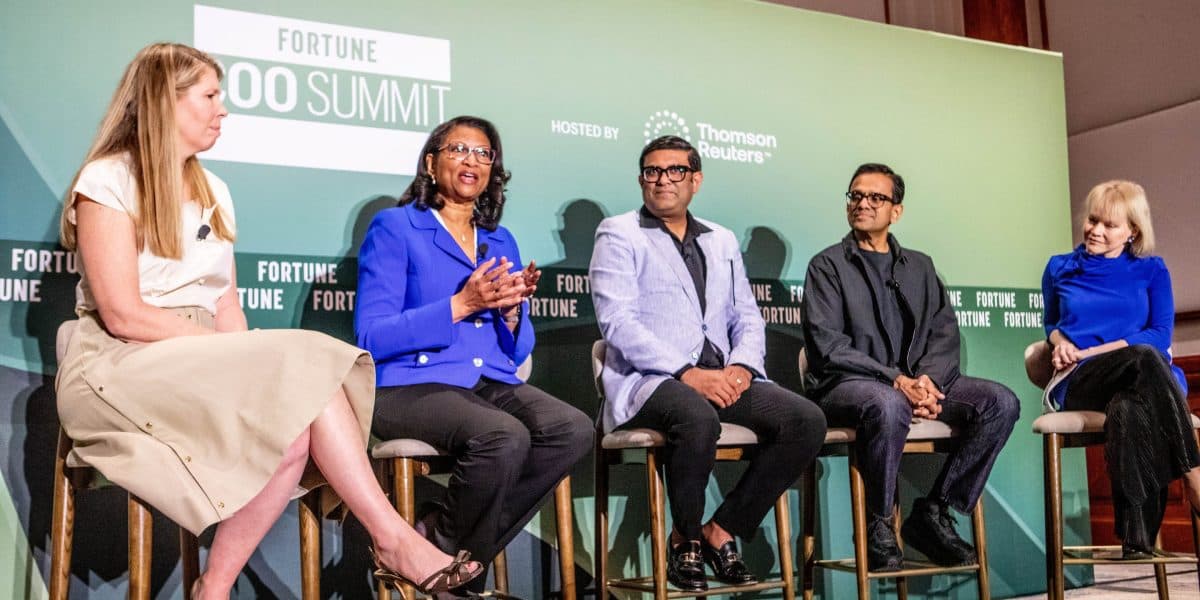
Photo via Fortune
When artificial intelligence first emerged as a transformative business tool, chief operating officers across industries envisioned streamlined workflows, reduced manual tasks, and more efficient operations. According to Fortune, that optimistic outlook has collided with reality. Many of the nation's largest companies are discovering that implementing AI solutions introduces a new layer of complexity to their roles rather than simplifying them.
For Nashville-area operations managers and executives, this shift carries particular weight. As local businesses ranging from healthcare systems to manufacturing operations consider AI adoption, understanding the hidden costs and management challenges becomes essential. COOs are finding themselves managing not just traditional operations, but also overseeing AI integration, addressing ethical concerns, ensuring regulatory compliance, and bridging gaps between legacy systems and new technology.
The operational burden extends beyond technical implementation. Leaders must now contend with workforce transitions, skill gaps in staff unfamiliar with AI tools, and the need to redesign processes that were built for human workers. Additionally, the expectation that AI will deliver immediate returns has created pressure to demonstrate ROI quickly, placing COOs in a difficult position between stakeholder expectations and operational reality.
For Nashville business leaders evaluating AI investments, the lesson is clear: automation requires careful planning and realistic expectations. Rather than viewing AI as a straightforward efficiency solution, operations executives should approach it as a strategic initiative requiring dedicated resources, change management expertise, and long-term commitment to successfully navigate the transition.