Photo via Fast Company
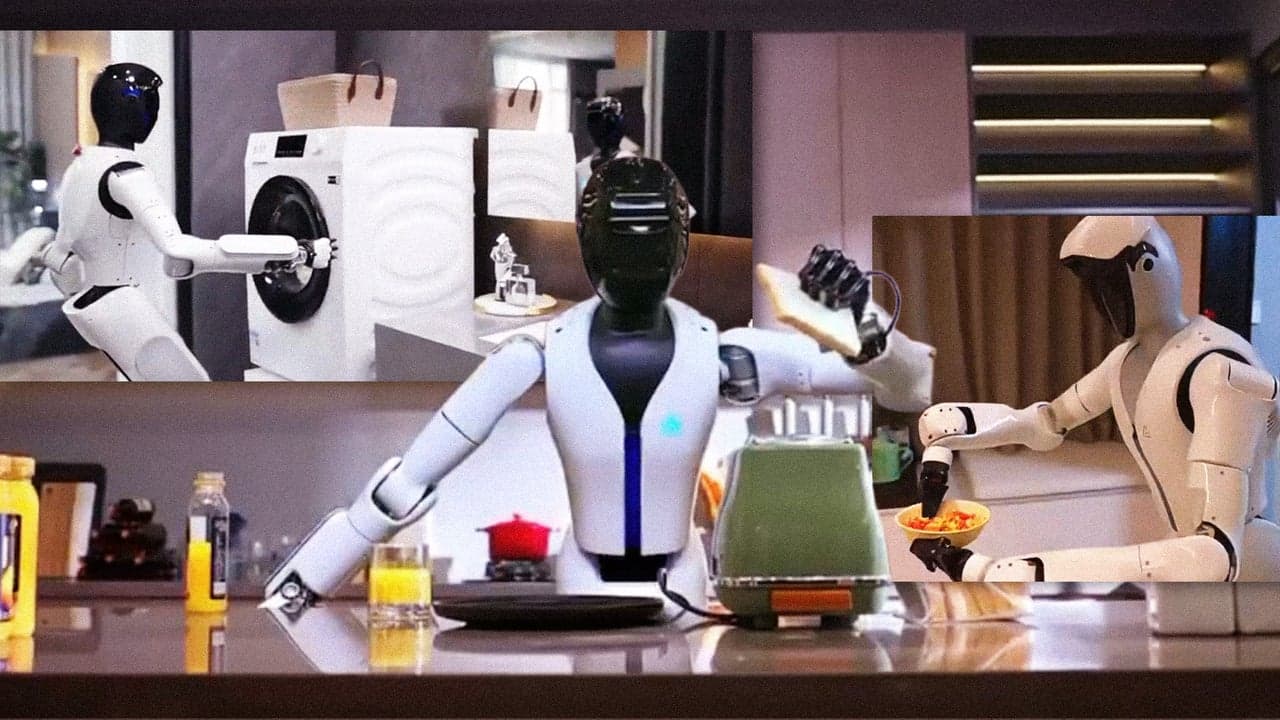
The race to deploy household and commercial humanoid robots has intensified, with Chinese companies moving faster than their American counterparts. GigaAI's SeeLight S1, backed by Huawei's investment arm, represents the first wave of commercially available home robots, priced around $15,000 when they launch in mid-2027. According to Fast Company, the global household robot market—currently dominated by robovacs and pool cleaners—was valued at $41 billion last year and is expected to grow 20% annually through 2027, suggesting significant opportunities for businesses positioned along the supply chain.
What makes this development particularly relevant to Nashville's industrial base is the shift in deployment strategy. Rather than limiting robots to tightly controlled factory environments, Chinese firms are aggressively collecting real-world data by deploying units in homes, retail spaces, and elder care facilities. This aggressive R&D approach stands in stark contrast to U.S. companies like Gatsby, which are testing on-demand service models where humans remotely operate robots for complex tasks. Morgan Stanley projects the humanoid robot market will reach $5 trillion by 2050, making this a critical inflection point for manufacturers and logistics providers.
However, significant hurdles remain before these machines can reliably perform household and commercial tasks at scale. Industry experts note that navigating unpredictable home environments—where layouts and conditions change daily—remains extraordinarily difficult. Safety concerns also loom large; humanoids pose genuine physical risks and will likely be confined to regulated commercial spaces like warehouses before entering shared human environments. These limitations mean Nashville-area manufacturing and warehousing operations should expect a gradual rollout rather than immediate disruption.
For Nashville business leaders, the strategic takeaway is clear: the humanoid robot transition is inevitable, but the timeline remains uncertain. Companies in logistics, manufacturing, and service sectors should begin monitoring developments and evaluating how automation might reshape their workforce planning over the next 3-5 years. Whether these machines arrive in 2027 or 2029, preparation now—from safety infrastructure to retraining programs—will determine competitive advantage in the emerging AI-driven economy.