Photo via WPLN Nashville NPR
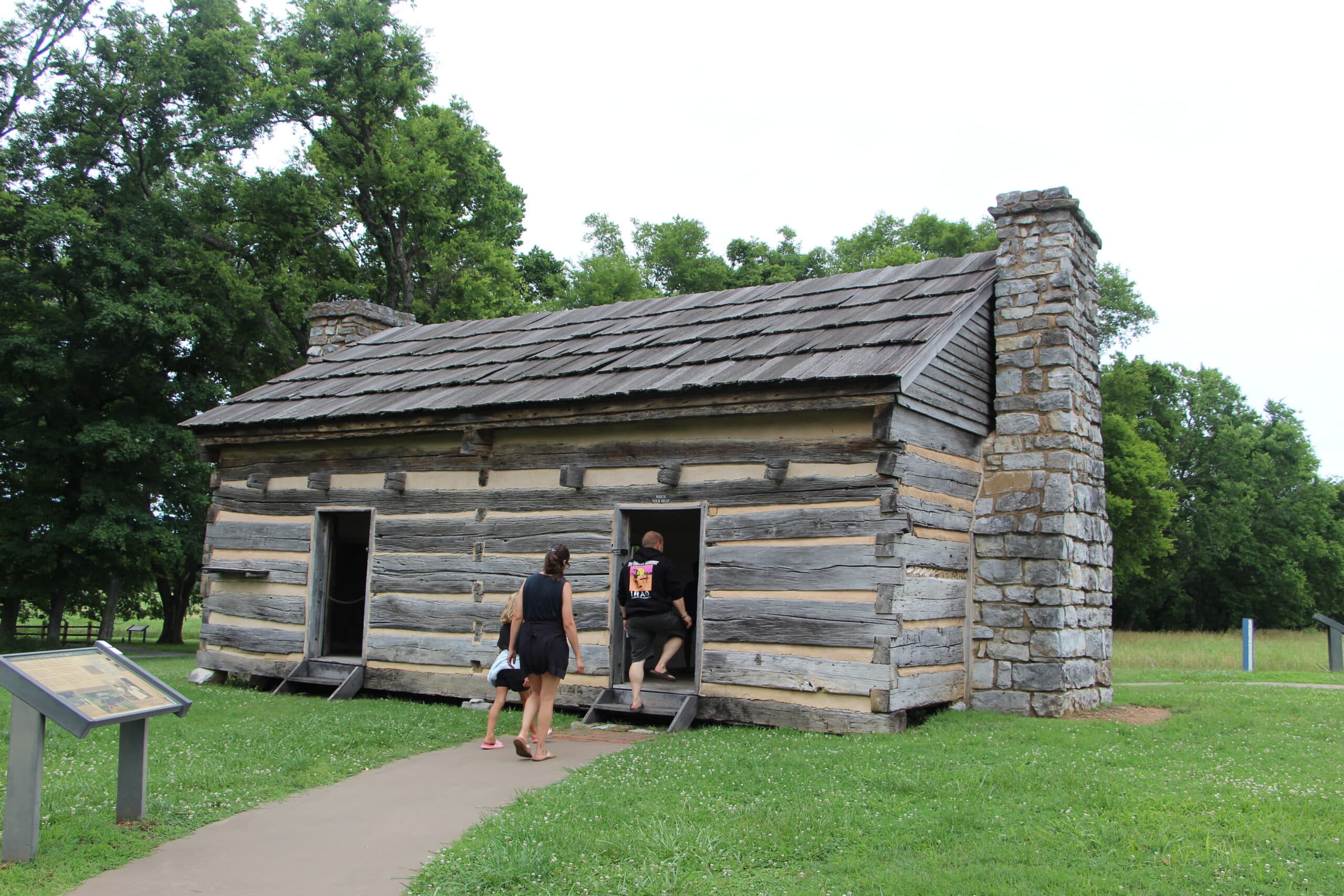
The Hermitage, one of Nashville's most visited historical attractions, is undertaking a significant revision to how it presents the experiences of enslaved people who lived and worked on Andrew Jackson's estate. According to WPLN Nashville NPR, the institution is modernizing its interpretive tour to provide a more comprehensive and historically grounded account of slavery's role in the property's operation and Jackson's life. This effort reflects a broader national movement among heritage sites and museums to reckon with previously minimized or omitted histories of enslaved labor.
The updated tour initiative comes as the historic property seeks to deepen visitor understanding of the approximately 300 enslaved individuals who inhabited The Hermitage throughout its operation. However, the response from descendants of those who were enslaved remains measured. Some family members and community members view the revisions as a meaningful step toward accountability, while others express lingering skepticism about whether the institution's efforts go far enough in centering the voices and stories of the enslaved community rather than focusing primarily on Jackson's legacy.
For Nashville's tourism and cultural sectors, The Hermitage's evolution highlights how regional institutions are balancing heritage preservation with historical accuracy. The property's approach could influence how other Nashville-area historical sites and educational venues frame narratives about the city's past. As local businesses and organizations increasingly recognize the importance of inclusive storytelling, The Hermitage's ongoing dialogue with descendant communities demonstrates the complexity of institutional change and community trust-building in the heritage and tourism landscape.