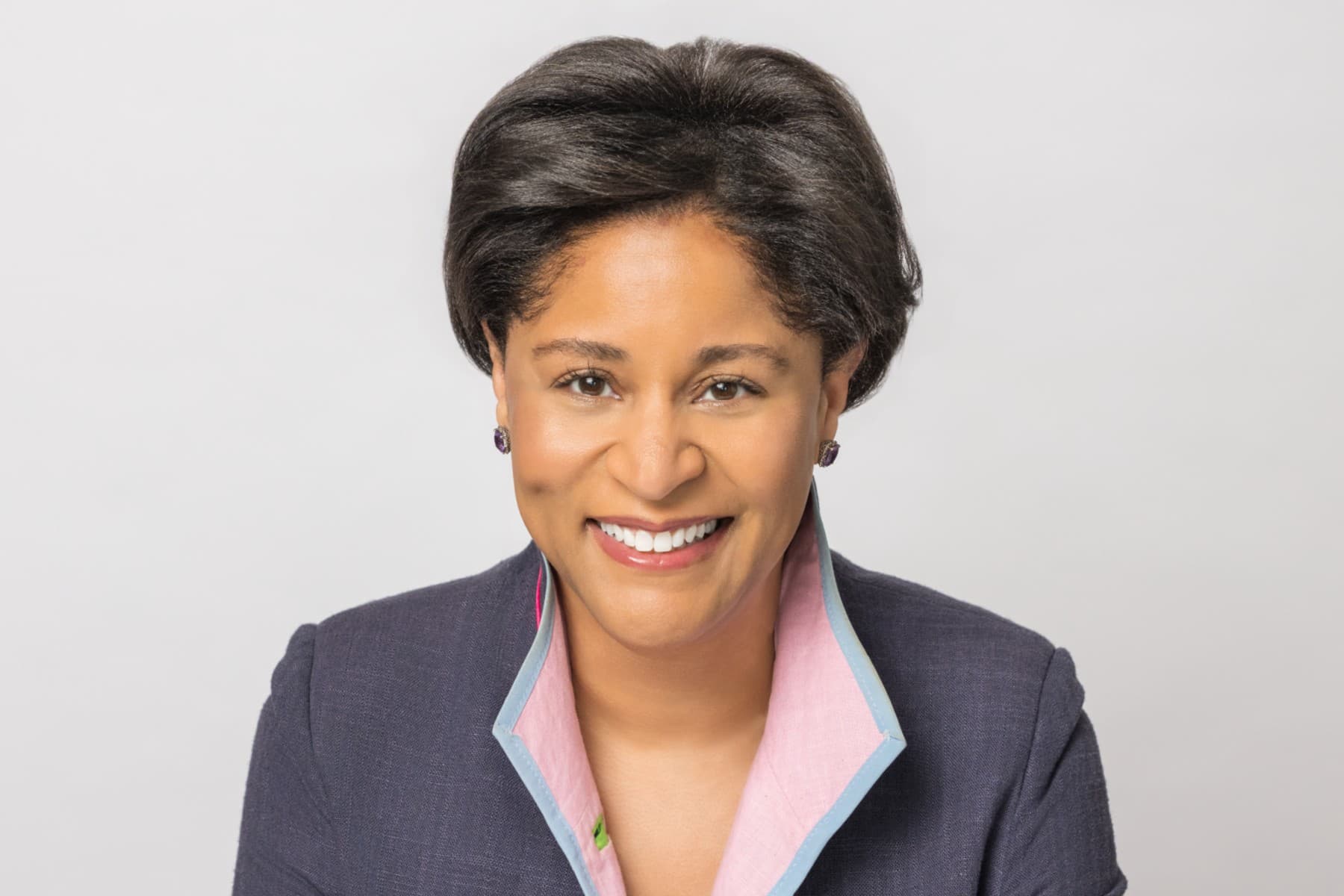
Photo via Fast Company
A newly promoted CEO can deliver strong results, earn team respect, and maintain board support—yet still experience profound self-doubt within months of taking the role. According to leadership experts, this paradox stems not from poor performance but from a structural shift in how information flows and relationships function once someone reaches the top job. For Nashville executives moving into their first CEO position, recognizing this as a normal transition rather than a personal failing can be the difference between confidence and crisis.
The shift happens gradually but decisively. Before becoming CEO, leaders debate decisions with peers at similar levels, test ideas openly, and share difficult choices across a leadership group. Once promoted to the chief executive role, the dynamic changes entirely—fewer true peers exist within the organization, certain sensitive topics cannot be discussed broadly, and final judgment rests solely with the CEO. This structural isolation is compounded by authority's subtle effect on communication: even casual observations from a CEO can be interpreted as directives, causing teams to become more cautious in their feedback and disagreement.
This isolation can reshape decision-making in ways that aren't immediately obvious. Some CEOs respond by becoming overly self-reliant, absorbing more decisions personally in an effort to project certainty. Others experience the opposite effect, questioning whether they're seeing the full picture without the peer-level debate they relied on earlier in their careers. Traditional support systems—boards operating at a governance level, executive teams hesitant to challenge the boss directly, external advisors entering only after problems surface—often miss what first-time CEOs actually need: a small circle of trusted relationships where ideas can be tested freely before decisions solidify.
Nashville organizations and boards can help new CEOs navigate this transition by naming the experience early, encouraging external peer relationships with experienced leaders or former CEOs, and ensuring executive teams understand that thoughtful disagreement strengthens rather than threatens leadership. First-time CEOs themselves can build honest advisory circles outside their company, protect space for thinking out loud before decisions are final, and actively invite real debate within their leadership team. The adjustment to the CEO role is profound and nearly universal—but it need not be navigated alone or in silence.