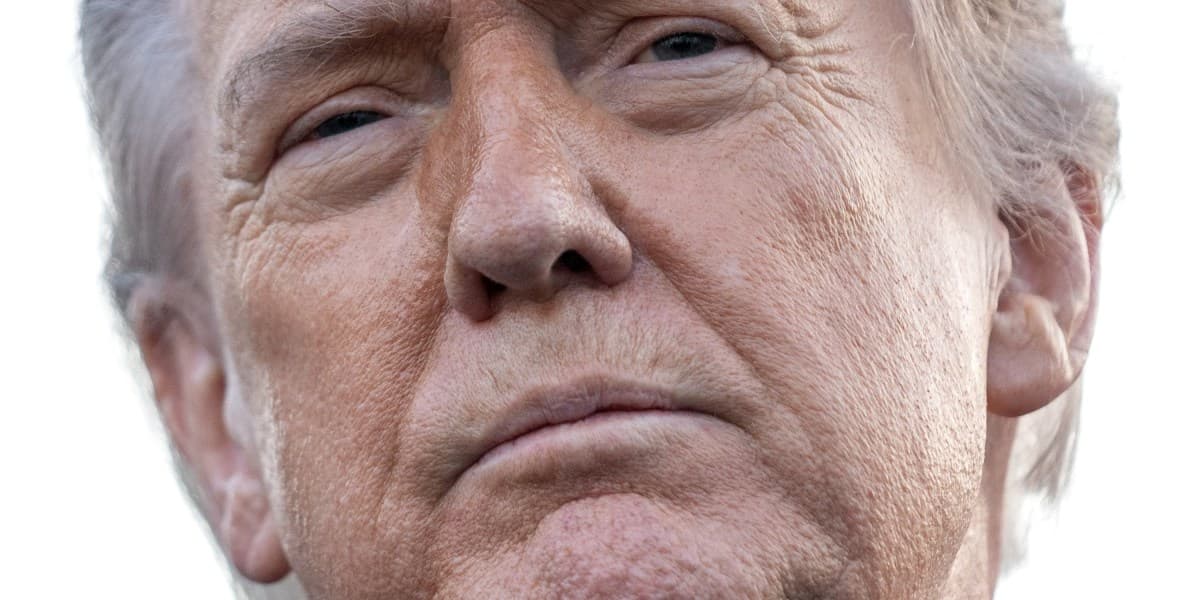
Photo via Fortune
The Trump administration is implementing a comprehensive approach to Cuba policy that draws parallels to its Venezuela strategy, according to Fortune. This shift signals a significant change in how the U.S. government intends to handle diplomatic and economic relations with the Caribbean nation, a move that could have ripple effects across regional trade and investment patterns.
The policy mirrors Venezuela's playbook in several key respects, including increased sanctions pressure, restrictions on business transactions, and efforts to limit financial flows to the government. According to the source analysis, these measures represent a continuation of hardline approaches rather than the engagement strategies pursued by previous administrations over the past half-century.
For Nashville-area businesses engaged in import-export, logistics, or industries with Caribbean supply chains, these policy shifts warrant attention. Trade restrictions can affect shipping routes, tariff structures, and availability of certain goods, potentially impacting operational costs and market access for companies with regional or international operations.
However, the strategy diverges from the Venezuela model in at least one significant way, suggesting the administration is tailoring its approach based on lessons learned. Understanding these nuances is critical for businesses monitoring geopolitical risks and planning for long-term international trade exposure in an evolving policy landscape.