Photo via FreightWaves
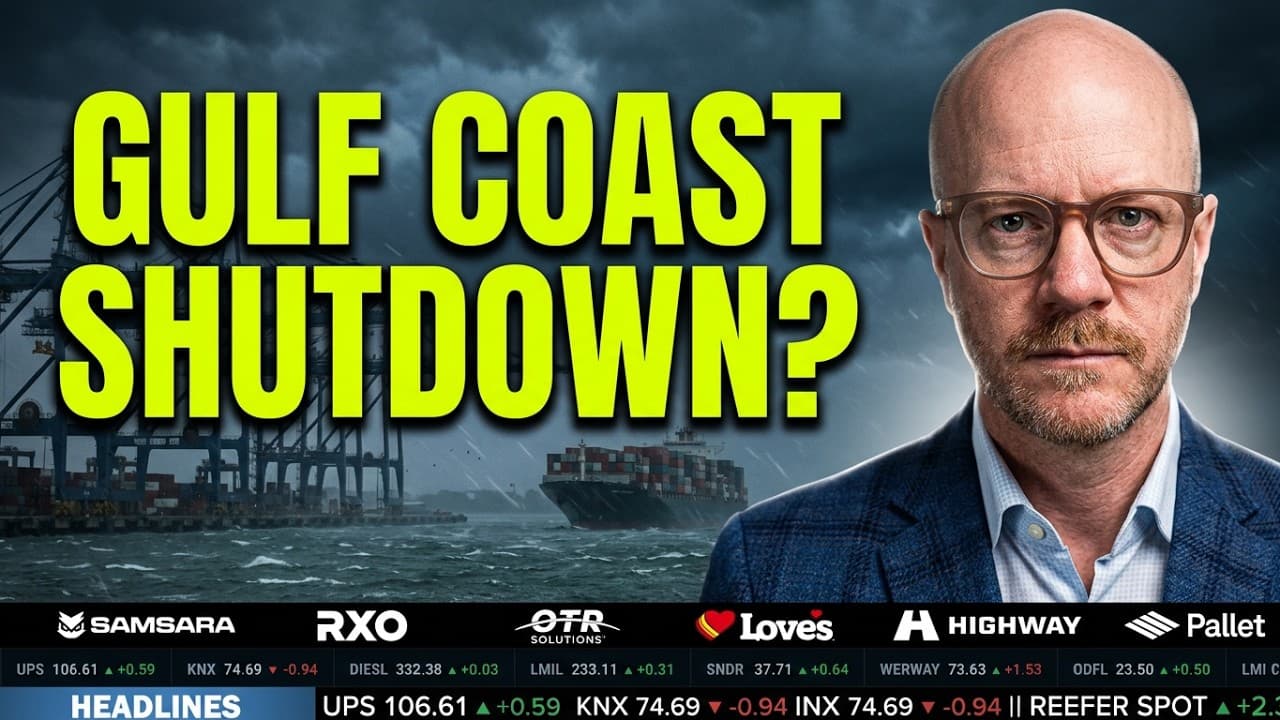
Tropical Storm Bertha, the second named storm of the current Atlantic season, is developing in the Gulf of Mexico and threatening to disrupt critical supply chain infrastructure along the Gulf Coast. Although the system has not yet reached hurricane strength, meteorologists warn that its projected trajectory could bring significant disruptions to freight logistics, port operations, and regional energy production in the coming days.
The potential impact extends across multiple sectors dependent on Gulf Coast infrastructure. Freight operators face possible route delays and congestion as shipping channels may be affected by severe weather conditions. Meanwhile, the energy sector—a cornerstone of Gulf Coast economic activity—could experience production shutdowns at refineries and offshore facilities if Bertha intensifies or makes landfall in major industrial zones.
Shippers and logistics operators are monitoring the storm's development closely as they assess contingency plans and potential service disruptions. Supply chain professionals are already coordinating with port authorities and transportation networks to mitigate delays. The extent of disruption will largely depend on the storm's final intensity and landfall location, making real-time weather tracking essential for companies operating across the region.