Photo via FreightWaves
Nussbaum Transportation, which operates a 600-truck fleet, made a strategic shift in 2018 by converting to an Employee Stock Ownership Plan (ESOP). According to the company's leadership, the transition reflects a long-standing operational philosophy centered on workforce development and retention. CEO Brent Nussbaum, whose father founded the company, emphasizes that the move represents an extension of core values: 'take care of your people.'
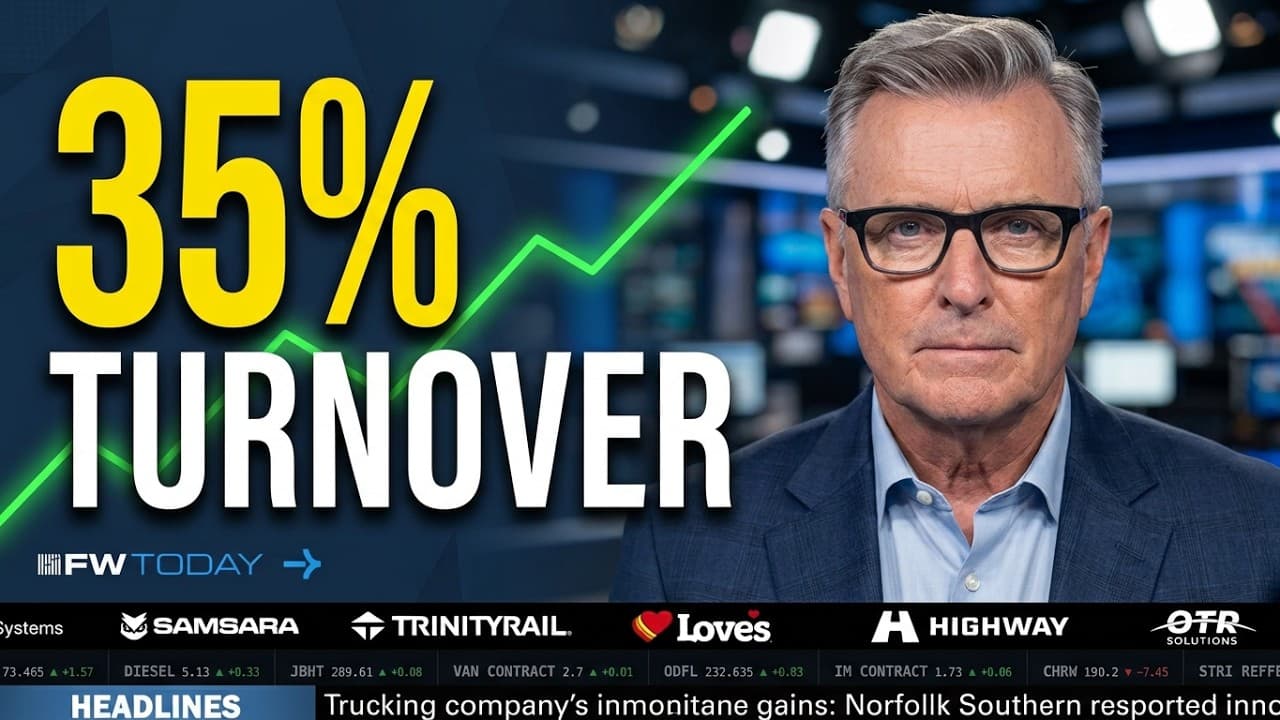
The ESOP structure has yielded measurable results in an industry plagued by chronic driver shortages. Nussbaum Transportation has achieved a 35% turnover rate—significantly below the national trucking industry average, which typically hovers between 80% and 100% annually. By aligning employee financial interests with company performance through stock ownership, the fleet has created tangible incentives for workforce stability and long-term commitment.
The company's experience underscores a broader trend in transportation and logistics: firms that offer meaningful equity stakes and ownership participation tend to outperform competitors on retention metrics. For an industry facing ongoing labor constraints, converting to employee ownership models presents a potential pathway to both operational continuity and competitive advantage in recruiting and maintaining quality personnel.