Photo via Fortune
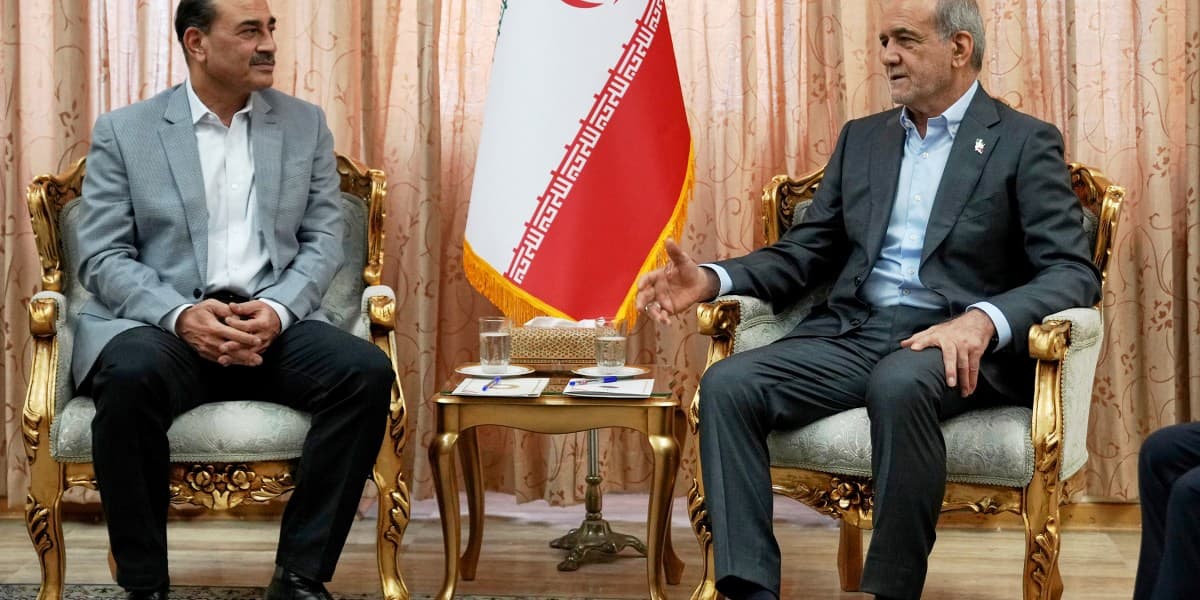
The Trump administration is signaling that negotiations with Iran over the strategic Strait of Hormuz have advanced considerably, with Secretary of State Marco Rubio indicating tangible progress during a trip to India. According to Fortune, Rubio told journalists that discussions are progressing and that announcements could come soon, suggesting a deal framework may be taking shape after months of diplomatic engagement.
For Nashville's business community, the implications of reopened shipping lanes through the Strait of Hormuz extend beyond geopolitical headlines. The waterway controls roughly one-third of global maritime oil trade, making it a critical chokepoint for energy markets. Any agreement affecting its status could influence fuel costs, transportation expenses, and supply chain stability for local manufacturers, logistics providers, and energy-dependent industries across Middle Tennessee.
A potential deal could also affect investment and trade dynamics in the region. Nashville-based companies in transportation, retail distribution, and manufacturing that rely on stable energy prices and predictable shipping routes would benefit from reduced geopolitical risk. Energy costs are a significant factor in operational budgets for many regional businesses, making this negotiation relevant to local economic planning.
The timing and terms of any formal agreement remain unclear, but the signals from the State Department suggest momentum in talks that could reshape international commerce. Nashville business leaders watching these developments should monitor how any agreement might impact their supply chains, energy procurement, and transportation logistics over the coming months.