Photo via Fast Company
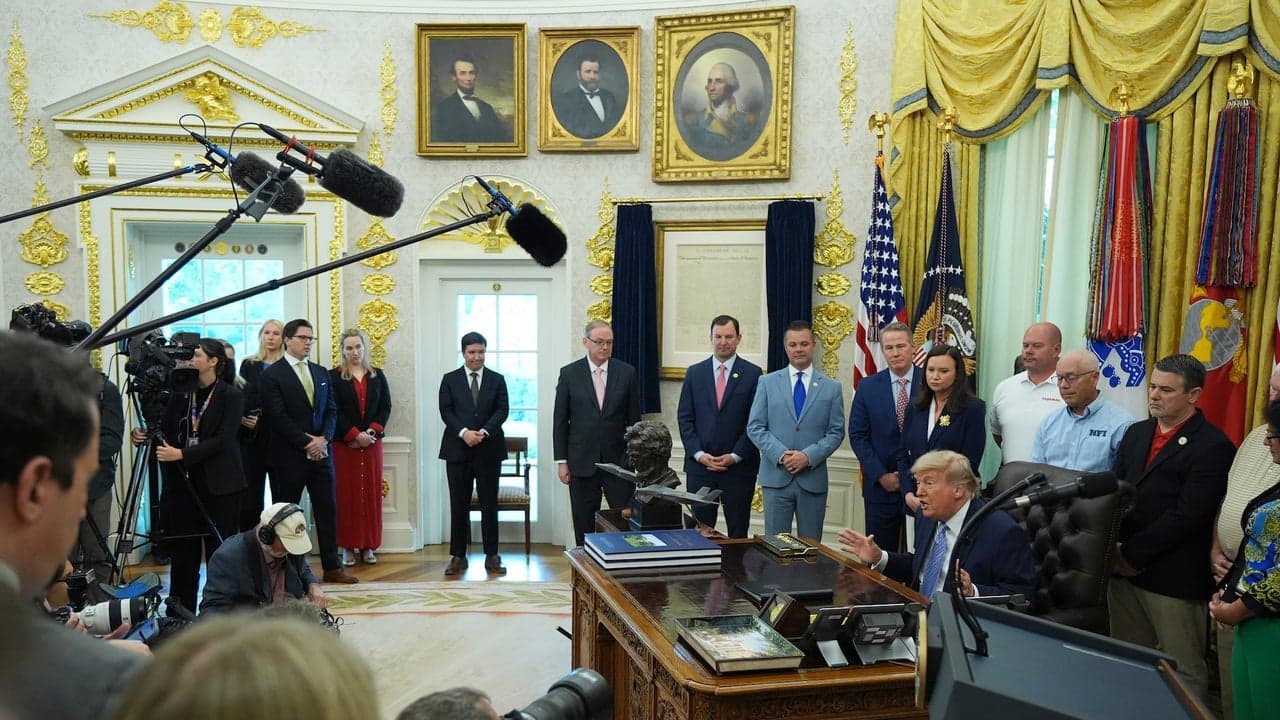
President Trump abruptly canceled a planned executive order on artificial intelligence oversight, citing concerns that government vetting of advanced AI systems could compromise America's technological competitiveness against China. The decision, made hours before a scheduled White House signing ceremony with tech industry executives, reflects deep internal divisions within the administration over how aggressively to regulate the sector while maintaining innovation leadership.
The shelved order would have created a voluntary framework requiring government review of national security risks posed by cutting-edge AI systems before public release. According to sources familiar with the proposal, major tech companies including OpenAI, Google, and Anthropic had been engaged in collaborative discussions. The move comes amid growing concern from financial institutions and cybersecurity experts about AI's expanding ability to identify software vulnerabilities—a risk Treasury Secretary Scott Bessent highlighted in urgent meetings with Wall Street CEOs this spring.
The administration's apparent reversal underscores a fundamental tension between promoting rapid AI innovation and managing legitimate security threats. While Vice President JD Vance emphasized the White House's commitment to balancing safety with growth, competing factions within the administration are at odds over whether regulatory scrutiny—even collaborative approaches—could slow development timelines and cede advantage to international competitors.
For Nashville-area businesses increasingly adopting AI tools and managing cybersecurity infrastructure, the policy whiplash creates near-term uncertainty. The absence of clear federal guidelines means companies must navigate their own risk assessments while monitoring whether state-level regulations or future executive actions will reshape the compliance landscape. Industry experts suggest the administration may eventually pursue less formal partnerships with technology firms rather than formal regulatory frameworks.