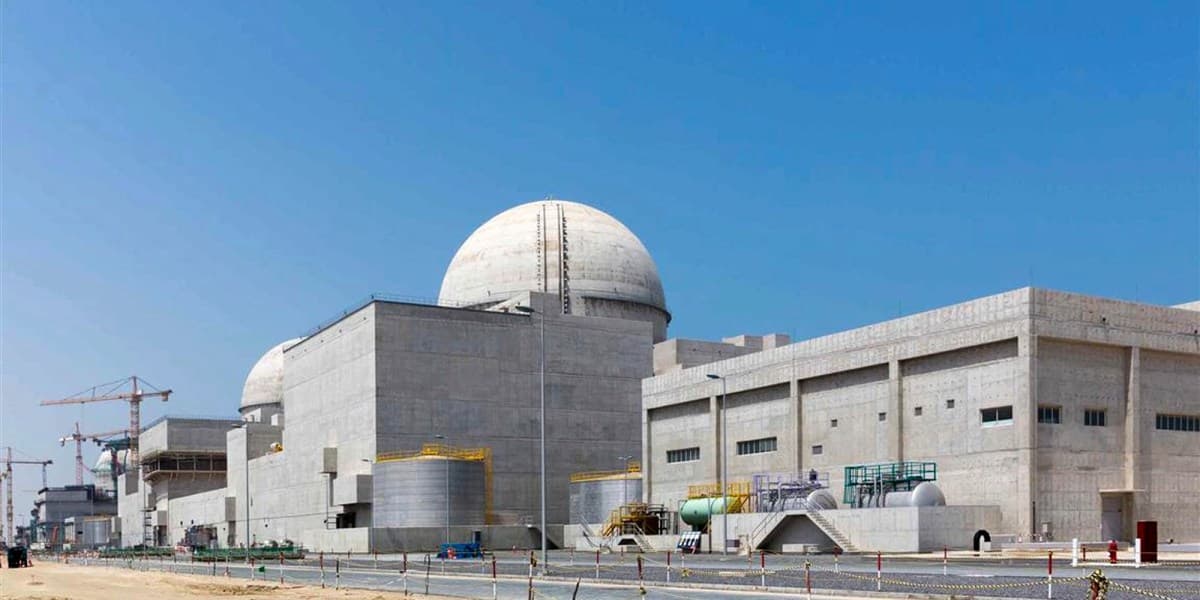
Photo via Fortune
The $20 billion Barakah nuclear power plant in the United Arab Emirates experienced a drone strike that ignited a fire at the facility, according to Fortune. This marks the first attack on the plant since regional hostilities intensified, signaling a troubling expansion of conflict into critical energy infrastructure. The incident underscores vulnerabilities in global power generation assets that supply electricity to millions of residents and support critical business operations across the region.
Built with South Korean assistance and brought online in 2020, Barakah represents a significant investment in the UAE's energy diversification strategy. The facility was designed to reduce the nation's dependence on fossil fuels and provide stable, long-term power capacity for economic growth. For Nashville-area businesses with international supply chains or energy sector ties, disruptions to Middle Eastern power infrastructure can have indirect consequences on global commodity prices and shipping logistics.
The attack raises serious questions about the physical security of nuclear installations in conflict zones and the adequacy of current international safeguards. Energy security experts worry that escalating regional tensions could jeopardize other critical infrastructure across the Gulf, potentially affecting oil prices, shipping routes, and investment stability in one of the world's most strategically important regions.
U.S. companies and investors with operations or interests in Middle Eastern energy projects are closely monitoring the situation. The incident serves as a reminder of geopolitical risks that can impact energy markets, insurance costs, and the strategic calculus of multinational corporations evaluating long-term commitments in the region.