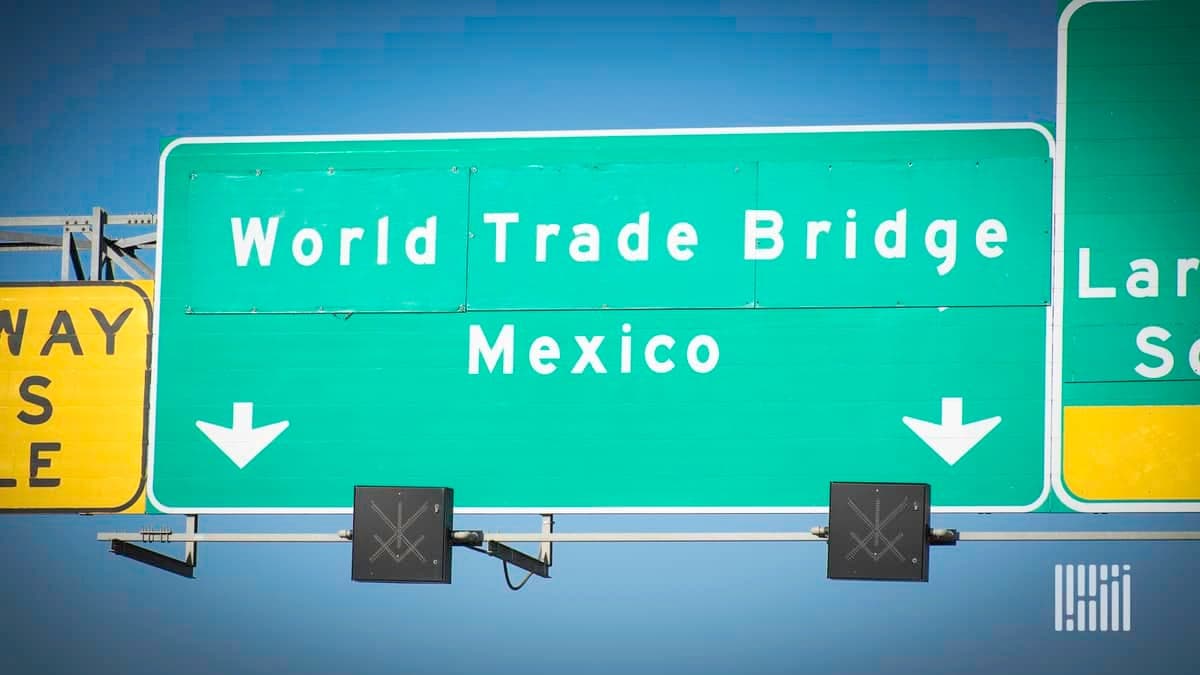
Photo via FreightWaves
According to Uber Freight, the trucking industry is facing mounting pressure in cross-border operations between Mexico and the United States, with capacity constraints expected to intensify in the near term. The company points to two primary factors fueling the squeeze: stricter B-1 visa requirements for Mexican drivers and a surge in freight demand heading northbound, creating a supply-demand imbalance that threatens to disrupt logistics flows.
The tightening capacity reflects broader challenges in the freight market as supply chain pressures persist and regulatory changes affect labor mobility across international borders. The combined effect of reduced driver availability and sustained shipping demand has created a difficult operating environment for carriers managing cross-border routes.
Industry observers will be monitoring how these constraints develop, particularly as carriers and logistics providers navigate evolving border policies while managing elevated freight demand. The situation underscores ongoing vulnerabilities in the supply chain and the critical importance of stable, predictable cross-border labor policies for the transportation sector.