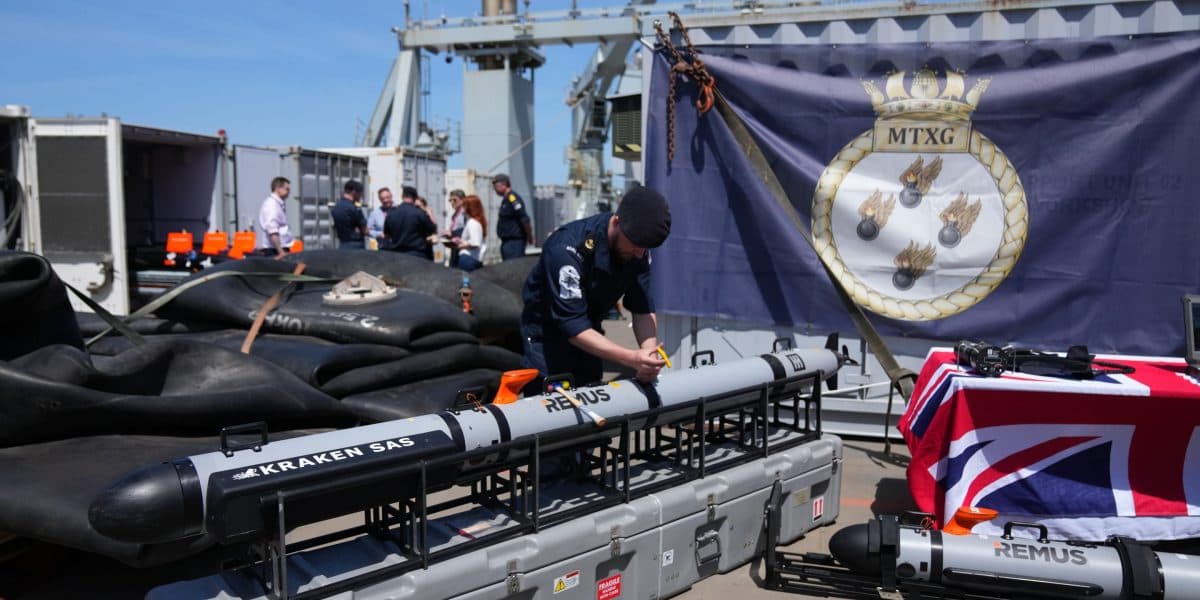
Photo via Fortune
According to Fortune, the United Kingdom is mobilizing naval resources to address a critical global shipping chokepoint. The RFA Lyme Bay is preparing to depart Gibraltar and rendezvous with the HMS Dragon destroyer and allied naval forces to conduct mine-clearing operations in the Strait of Hormuz, one of the world's most strategically important waterways. However, this mission hinges on a significant diplomatic development: a peace agreement between the United States and Iran.
The Strait of Hormuz represents a vital artery for global energy commerce, with roughly one-third of the world's seaborne oil passing through its waters daily. For Nashville-area businesses dependent on stable energy prices—from transportation and logistics firms to manufacturing operations—any disruption in this corridor directly impacts operational costs and supply chain reliability. A mine-clearing initiative signals confidence that diplomatic channels may be opening.
The deployment itself underscores the international coordination required to maintain global trade stability. The RFA Lyme Bay will transit through the Suez Canal before reaching the Persian Gulf, a multi-week operation that demonstrates how regional tensions can reverberate through worldwide commerce. Tennessee companies reliant on predictable fuel costs and shipping routes would benefit considerably from restored stability in this region.
The conditional nature of this mission—proceeding only after a U.S.-Iran agreement—suggests diplomatic progress may already be underway behind closed doors. For American businesses monitoring geopolitical risk, this development warrants attention as a potential indicator of improved regional stability and potentially lower energy price volatility in coming months.