Photo via Fast Company
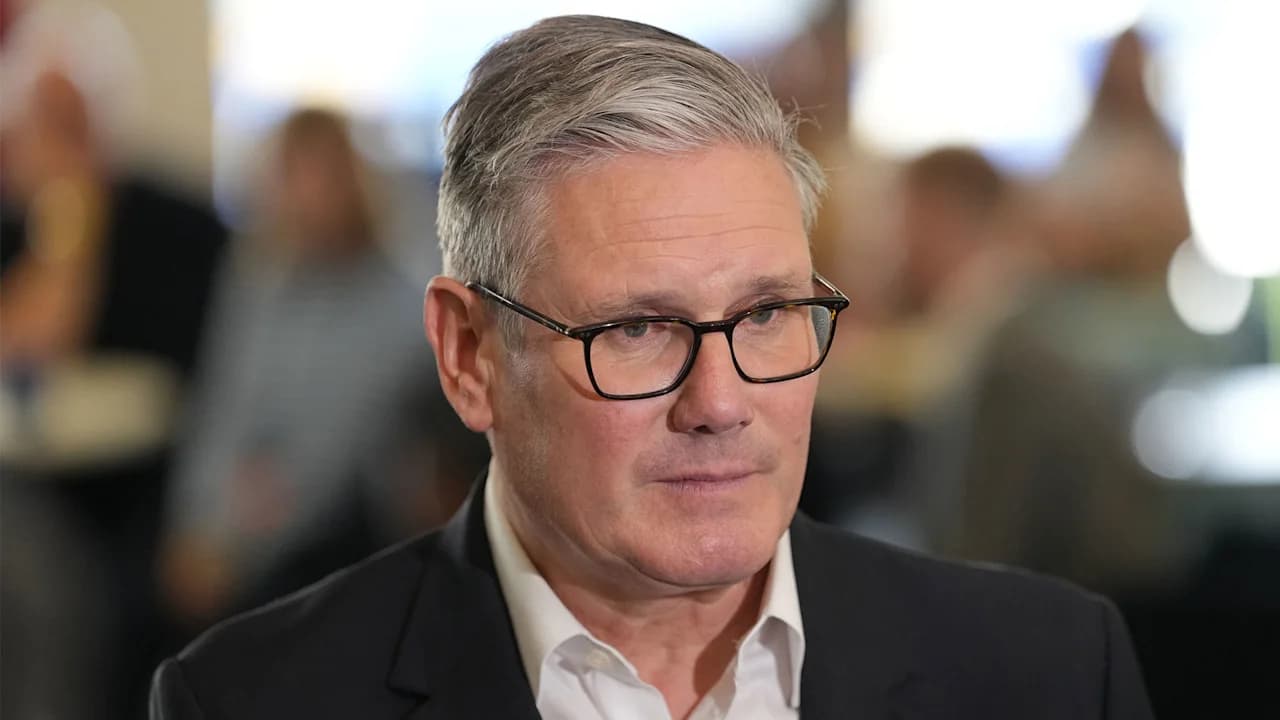
United Kingdom Prime Minister Keir Starmer is fighting to maintain his position as internal pressure from his own Labour Party intensifies. According to reporting from the Associated Press, around 80 Labour backbenchers—nearly one-fifth of the party's House of Commons representation—have called for Starmer to resign or establish a timeline for his departure. The political turmoil follows significant losses in local elections last week, prompting concerns within the party about the government's viability heading into potential national elections.
The crisis reflects broader governance challenges that have eroded public confidence despite Labour's decisive election victory in July 2024. Junior minister Miatta Fahnbulleh became the first government official to resign, citing policy missteps, lack of vision, and a faltering British economy as reasons for her departure. For Nashville-area businesses with international operations or UK-based partners, the political uncertainty adds another layer of complexity to an already challenging economic environment marked by rising interest rates and investor concerns.
The immediate economic consequences of this political instability are visible in financial markets. According to the reporting, interest rates on British government bonds have increased more steeply than comparable nations, signaling investor concerns about government stability and creditworthiness. This market reaction underscores how leadership crises in major economies can ripple outward, affecting global business confidence and potentially impacting trade relationships with American companies.
While Starmer maintains he will not resign and stated that formal procedures to remove him have not been triggered, the window for challenge remains open. Under Labour party rules, 81 lawmakers are needed to initiate a leadership contest, though no candidate has yet formally announced. The situation leaves Nashville business leaders watching a key trading partner grapple with political uncertainty at a critical economic moment.