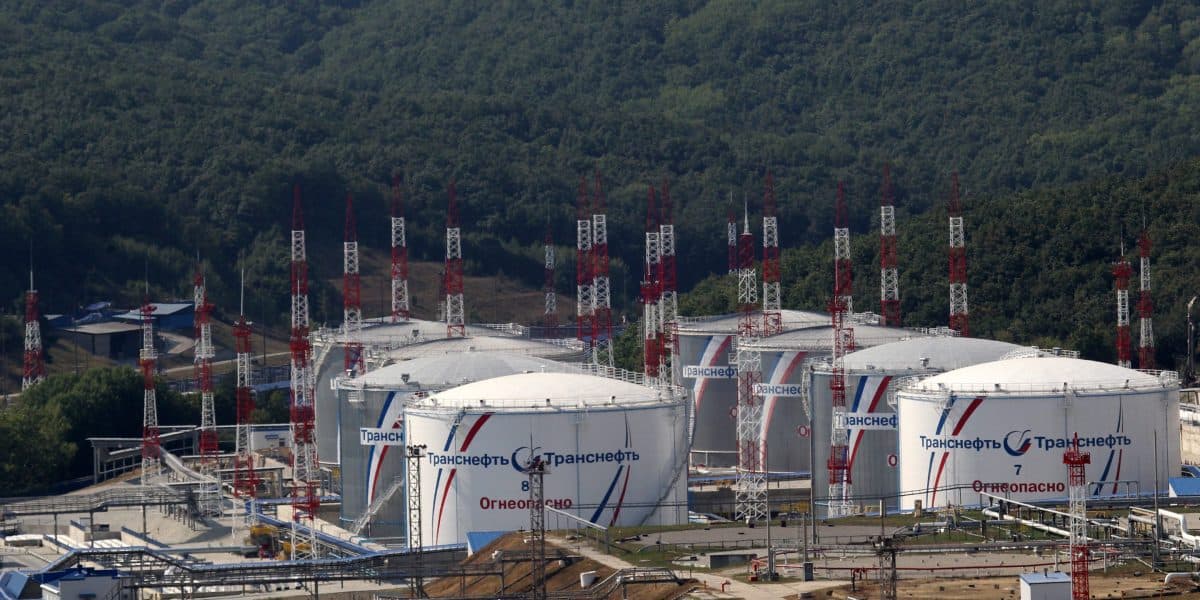
Photo via Fortune
Ukrainian forces have expanded their military capabilities by successfully targeting Russian oil export infrastructure, including a significant oil terminal and vessels in the Black Sea, according to Fortune. The strikes demonstrate Kyiv's growing reach with long-range drone technology, marking an escalation in the conflict's scope beyond traditional front-line warfare.
Among the targets hit was a vessel belonging to Russia's 'shadow fleet'—informal networks of aging tankers used to circumvent international sanctions on Russian crude oil. These attacks on energy infrastructure and shipping operations suggest a deliberate strategy to disrupt Moscow's ability to monetize oil exports, a critical revenue source for the Kremlin's war effort.
For Nashville-area businesses and investors monitoring energy markets, disruptions to Russian oil supply chains can influence global crude prices and fuel costs domestically. Energy-dependent industries, logistics operations, and companies with supply chain exposure to petroleum products should consider how prolonged regional conflict impacts their operational costs and planning.
The conflict continues to reshape global energy markets, with implications for U.S. energy independence, fuel pricing, and investment strategies. Business leaders are advised to monitor developments in regional stability and energy infrastructure as geopolitical tensions influence commodity markets and corporate risk assessments.