Nashville, GA
Sign InEvents
NASHVILLE BUSINESS
Magazine
Our Top 5
DOW
S&P
NASDAQ
Real EstateFinanceTechnologyHealthcareLogisticsStartupsEnergyRetail
● Breaking
Australia Documents First H5 Bird Flu Case in Marine MammalIndia Launches Rescue Operation for Cargo Ship Crew in Bay of BengalN.Z. Labour Party Pledges to Restore Dual Mandate at Central BankMalaysia Rejects $1.9 Billion Bid for Passport Technology SupplierKorean Retail Investors Seek High-Yield Structured Products Amid Market TurmoilAustralia Documents First H5 Bird Flu Case in Marine MammalIndia Launches Rescue Operation for Cargo Ship Crew in Bay of BengalN.Z. Labour Party Pledges to Restore Dual Mandate at Central BankMalaysia Rejects $1.9 Billion Bid for Passport Technology SupplierKorean Retail Investors Seek High-Yield Structured Products Amid Market Turmoil
Retail
Retail

U.S. Brands Face Headwinds in China as Local Rivals Gain Traction

Nike, Starbucks, and GM struggle to maintain market share in China amid rising domestic competition and geopolitical tensions.

U.S. Brands Face Headwinds in China as Local Rivals Gain Traction

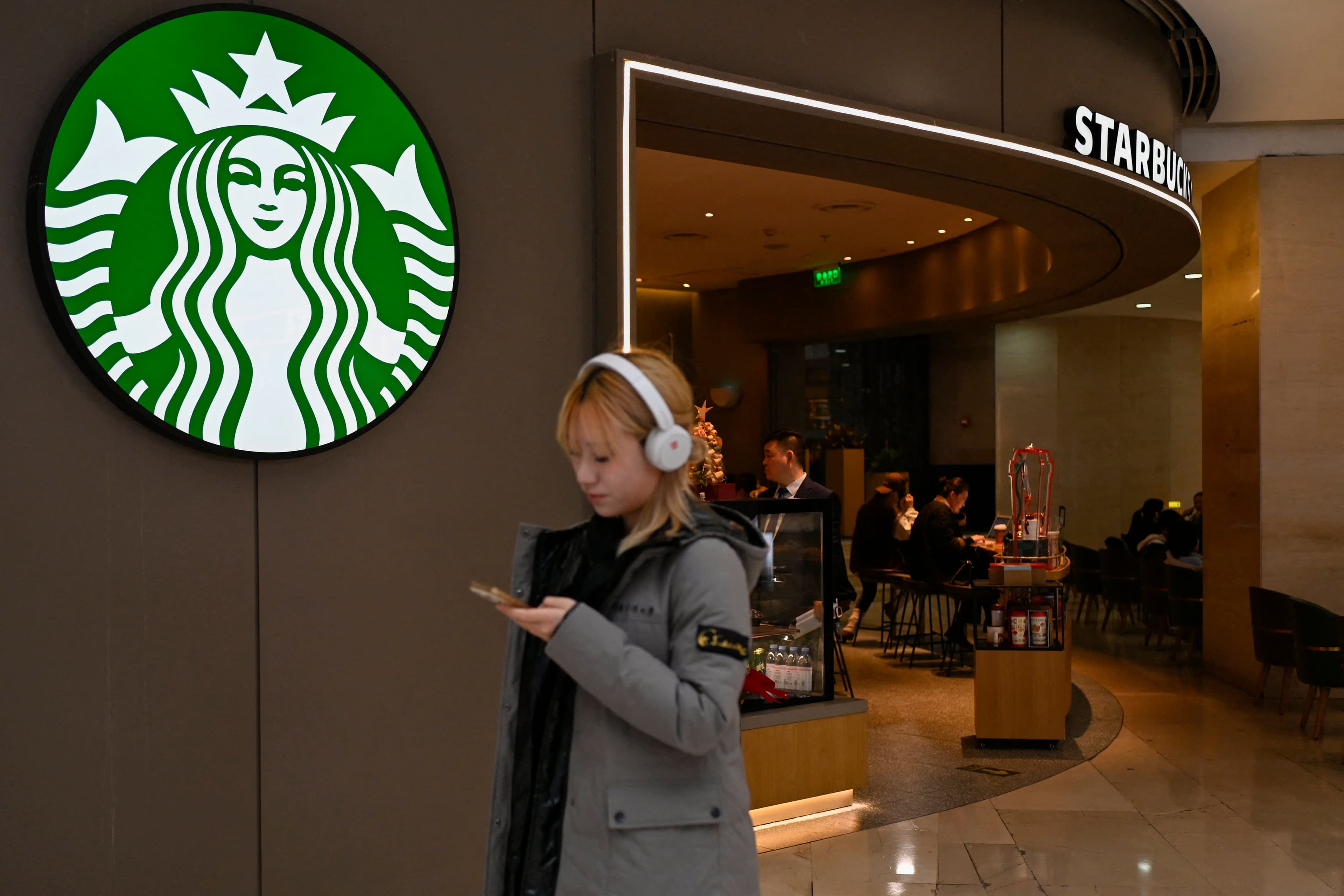
Photo via CNBC

Major American brands including Nike, Starbucks, and General Motors are encountering significant competitive pressures in China, according to reporting from CNBC. The challenges stem from a confluence of factors reshaping one of the world's most important consumer markets, forcing established multinational corporations to reassess their strategies in the region.

Domestic Chinese companies have emerged as formidable competitors, leveraging deep understanding of local consumer preferences and supply chain advantages. Simultaneously, geopolitical tensions between the United States and China have created an environment where some consumers show preference for homegrown alternatives, shifting purchase decisions in favor of local brands that have expanded their product offerings and quality standards.

The market dynamics underscore the heightened complexity American corporations now face in China, where scale and brand heritage alone no longer guarantee market leadership. Companies must now contend with nimble local competitors, evolving consumer sentiment, and an increasingly bifurcated marketplace that rewards those best positioned to adapt to rapidly changing preferences.
China marketBrand competitionU.S.-China tradeConsumer trendsInternational business
Related Coverage