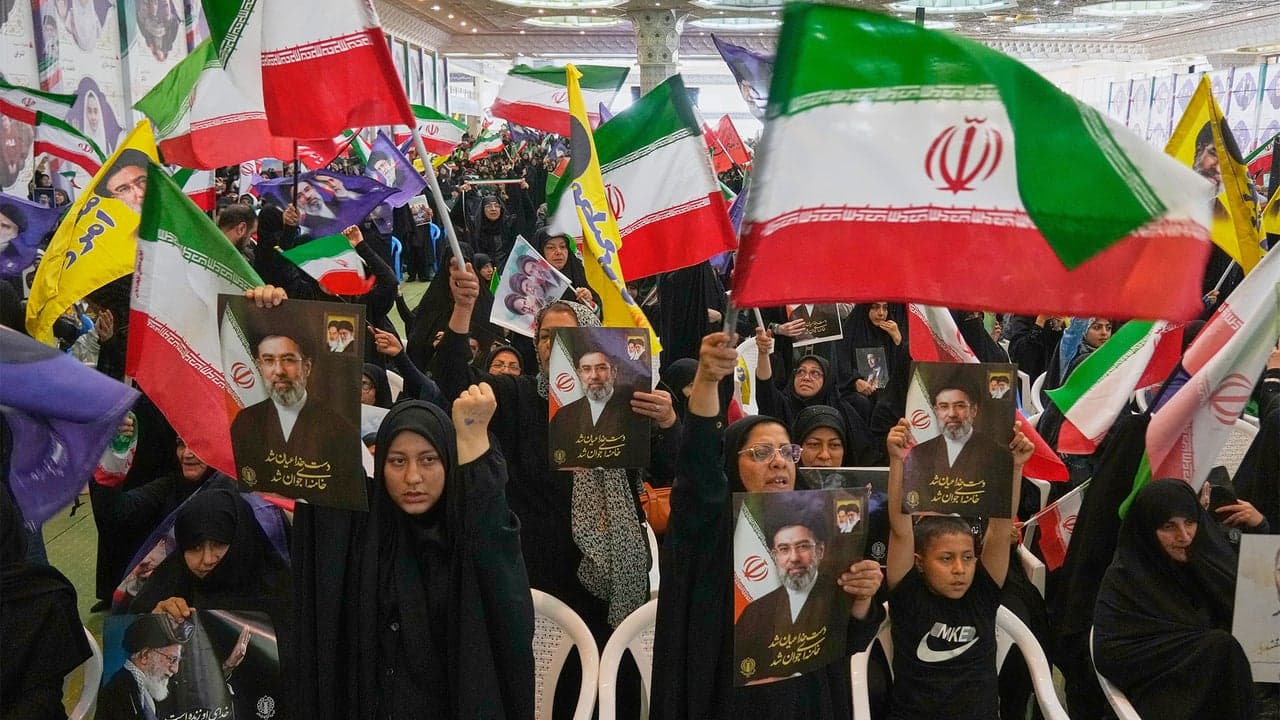
Photo via Fast Company
According to recent reports, the Trump administration and Iranian officials have substantially negotiated a comprehensive agreement to end regional conflict and restore critical shipping lanes. The deal would conclude hostilities across multiple fronts, including between Israel and Iran-backed Hezbollah in Lebanon, while establishing mutual commitments to reduce proxy support throughout the Middle East. This development marks a significant shift in regional stability after 12 weeks of escalating military action.
A primary benefit for global commerce is the expected gradual reopening of the Strait of Hormuz, through which approximately one-fifth of the world's oil and natural gas currently flows. The agreement would coordinate the strait's reopening with a U.S. lift on Iranian port blockades implemented in April, allowing Iran to resume oil sales under negotiated sanctions waivers. For Nashville-area companies dependent on stable energy pricing and supply chain predictability, this could moderate fuel costs and improve logistics planning over the proposed 60-day negotiation window.
The agreement includes Iran's commitment to surrender its stockpile of highly enriched uranium—currently 440.9 kilograms at 60% purity—as a cornerstone of nuclear de-escalation. Sanctions relief and release of frozen Iranian assets remain contingent on uranium disposition, either through dilution or transfer to a third country. This nuclear component addresses longstanding security concerns that originally triggered the military campaign.
Notably absent from current draft language are provisions addressing Iran's missile capabilities, broader uranium enrichment protocols, and U.S. military force reductions in the region. These omissions suggest ongoing negotiations may extend beyond the initial 60-day framework. Nashville business leaders monitoring geopolitical risk should track deal finalization timelines, as implementation uncertainty could affect energy futures and international shipping rates through mid-year.