Nashville, GA
Sign InEvents
NASHVILLE BUSINESS
Magazine
Our Top 5
DOW
S&P
NASDAQ
Real EstateFinanceTechnologyHealthcareLogisticsStartupsEnergyRetail
● Breaking
Sterling Gains Traction Before UK Inflation ReportLynas Rare Earths Shares Hit Five-Month Low on Quarterly Revenue ShortfallSouth Africa Finance Minister Moves to Replace PIC Board ChairCopper Retreats From Six-Month Highs on Tariff UncertaintyJapan's 40-Year Bond Auction Draws Strongest DemandSterling Gains Traction Before UK Inflation ReportLynas Rare Earths Shares Hit Five-Month Low on Quarterly Revenue ShortfallSouth Africa Finance Minister Moves to Replace PIC Board ChairCopper Retreats From Six-Month Highs on Tariff UncertaintyJapan's 40-Year Bond Auction Draws Strongest Demand
Retail
Retail

U.S. Military Deaths in Iran Escalation Raise Strategic Questions

Two U.S. service members have been killed amid heightened tensions in Iran, renewing debate over military escalation strategy.

U.S. Military Deaths in Iran Escalation Raise Strategic Questions

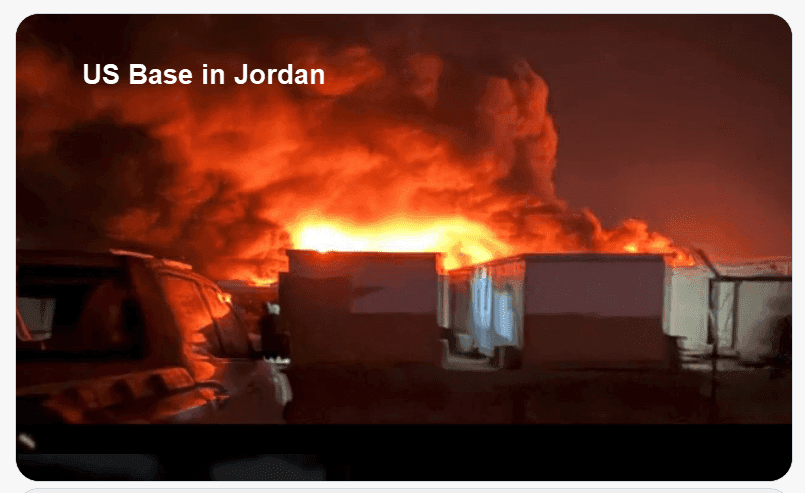
Photo via Mish Talk

The deaths of two U.S. military personnel in connection with ongoing Iran tensions have intensified scrutiny of American military strategy in the region. According to reports, the casualties occurred amid an escalation of U.S. actions that some analysts argue could have been de-escalated at an earlier stage.

Military experts and policy observers are questioning whether alternative diplomatic or strategic approaches could have prevented the loss of life. The incident highlights the human cost of geopolitical tensions and the complex decision-making involved in foreign policy, particularly when opportunities for strategic pivot points arise during international standoffs.

The deaths underscore the ongoing challenges facing U.S. military operations in the Middle East and the continued debate among policymakers about the balance between maintaining strategic interests and minimizing operational risk to personnel.

IranMilitaryU.S. Foreign PolicyDefenseMiddle East
Related Coverage