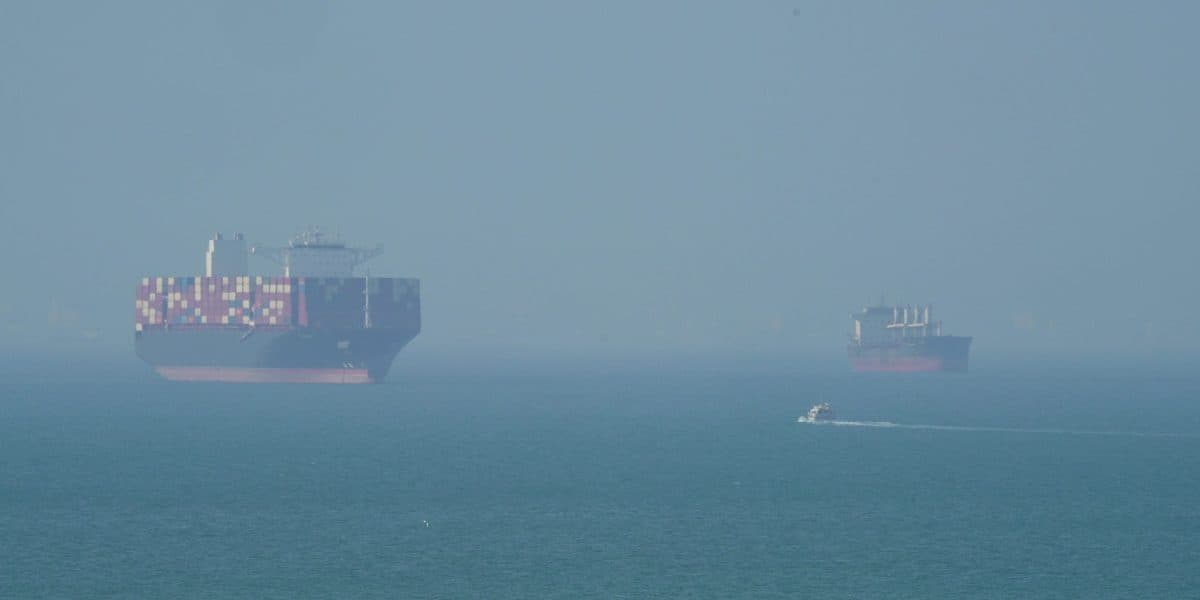
Photo via Fortune
The U.S. government has clarified its stance on international commerce with Iran, explicitly prohibiting American persons and companies from purchasing safe passage guarantees through the Strait of Hormuz, one of the world's most critical shipping corridors. According to Fortune, this ban applies regardless of whether payment changes hands, reinforcing existing sanctions on Iranian government services.
For Nashville-area logistics companies and manufacturers with global supply chains, this ruling underscores the complexity of navigating Middle Eastern shipping routes. The Strait of Hormuz handles roughly one-third of global seaborne trade, making it essential infrastructure for businesses dependent on international commerce. Companies routing goods through this waterway must now ensure compliance with U.S. restrictions or risk significant legal and financial consequences.
The prohibition reflects broader U.S. policy toward Iran and highlights the intersection of geopolitics and commerce. Shippers and freight forwarders operating in Nashville's growing logistics sector need to work with compliance experts to verify their supply chain partners aren't inadvertently engaging with Iranian government entities, even indirectly through third parties offering transit services.
Business leaders in transportation, manufacturing, and import-export should review their international shipping arrangements and consult legal counsel familiar with sanctions regulations. The stakes are high: violations can result in penalties, asset freezes, and reputational damage. Understanding these restrictions is now essential due diligence for any Nashville company with Middle Eastern trade routes or global sourcing.