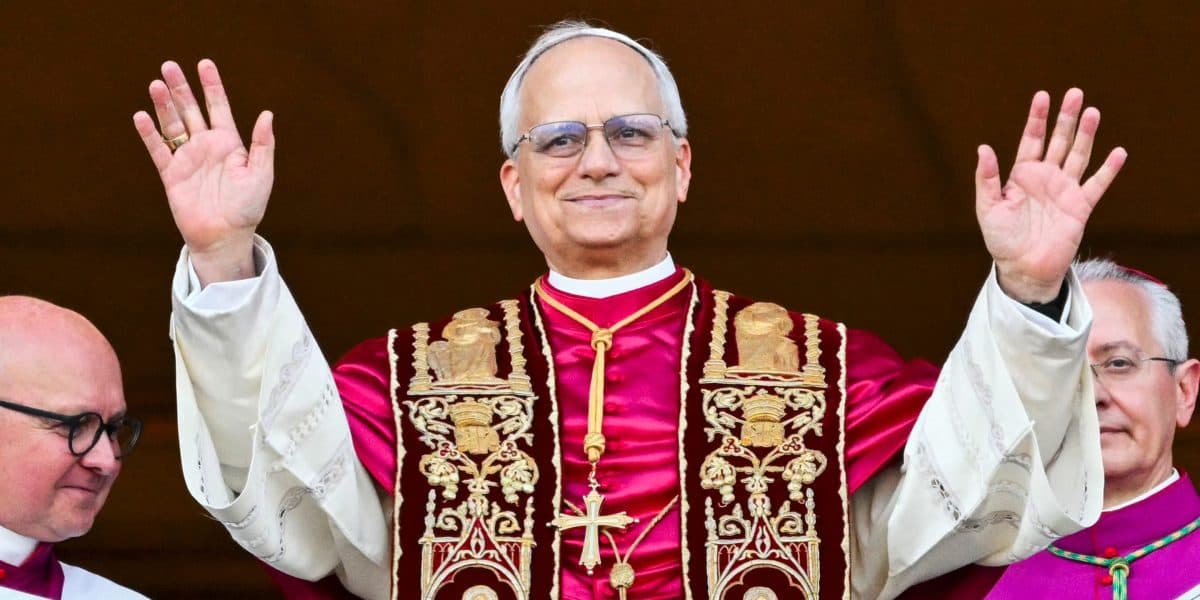
Photo via Fortune
The Vatican has weighed in on artificial intelligence regulation with a historical perspective that Nashville business leaders should consider. According to Fortune, papal documents spanning from Leo XIII's industrial-era writings to recent guidance emphasize the need for worker protections and equitable distribution of technological benefits. As Nashville's tech ecosystem expands, these principles offer a framework for responsible innovation.
The church's position centers on three core demands: strengthening worker power in an automated economy, ensuring broader ownership stakes in transformative technologies, and establishing clearer governance over who controls AI systems. These aren't merely moral arguments—they reflect lessons learned from previous industrial transitions that created both opportunity and dislocation. For Nashville companies navigating AI adoption, this perspective challenges the typical move-fast-and-break-things mentality.
Nashville's workforce, particularly in healthcare, logistics, and professional services, faces real questions about automation's impact. The Vatican's emphasis on shared ownership models suggests alternatives to winner-take-all tech outcomes. Local business leaders implementing AI should consider how these tools affect employees and communities, not just margins.
As AI regulation continues evolving at federal and state levels, Nashville-based companies have an opportunity to lead on worker-friendly innovation. Adopting principles of transparency, employee involvement in AI deployment, and equitable benefit-sharing could position the region as a responsible tech hub—differentiating Nashville in an increasingly competitive landscape.