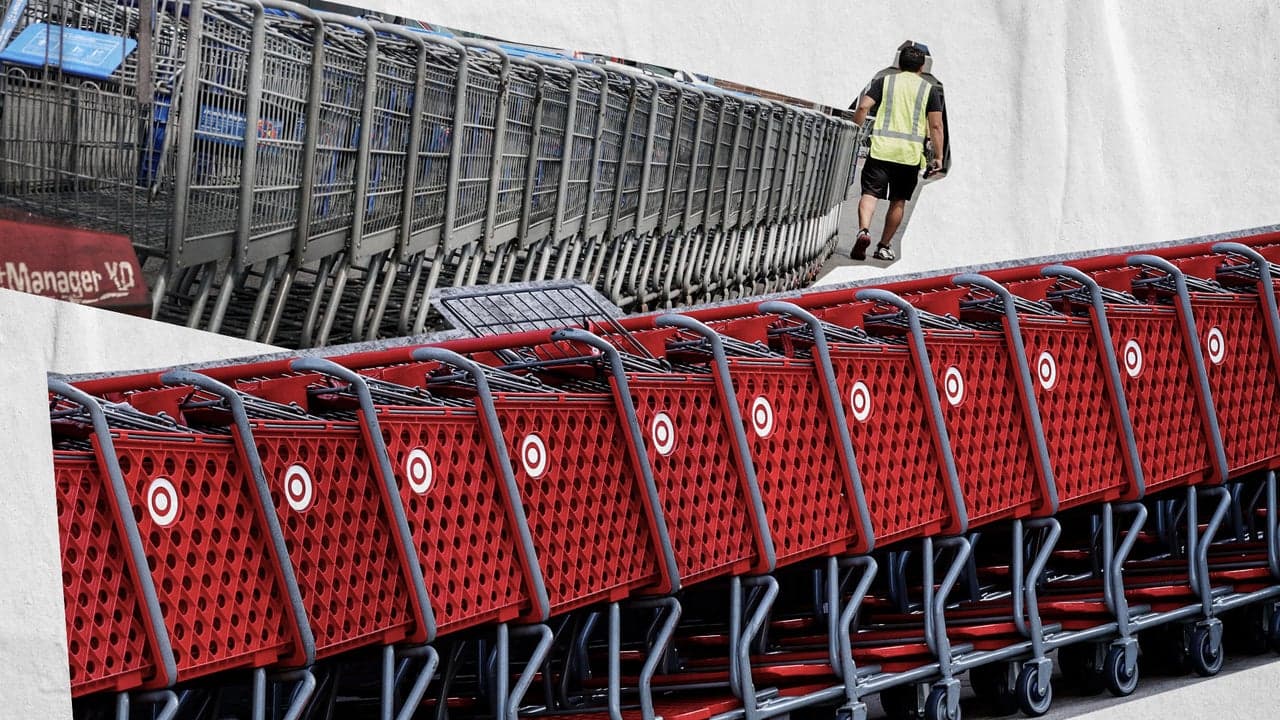
Photo via Fast Company
Two retail giants are painting starkly different pictures in their latest quarterly earnings reports, offering insight into how economic pressures are reshaping consumer behavior across the country. According to Fast Company, Walmart reported solid first-quarter results but issued cautious forward guidance that sent its stock down 7.27%, while Target posted impressive gains with shares up 3.12% and outperforming the broader market year-to-date. The divergence underscores how traditional retail dynamics are being disrupted by macroeconomic factors that affect different customer segments in distinct ways.
Walmart's challenge centers on its most price-sensitive customer base, which is feeling the squeeze from elevated fuel costs. The retailer's CFO indicated that while tax refunds buoyed spending this quarter, low-income customers—the backbone of Walmart's business model—are pulling back as those temporary boosts fade. According to Walmart leadership, consumers will face increased pressure from higher gasoline prices in the coming months, particularly as geopolitical tensions affect global energy supplies. Nashville-area business leaders should note that this dynamic could impact consumer spending across the broader region.
Target's resurgence tells a different story, suggesting the company has successfully navigated past challenges that plagued it a year ago. The Minneapolis-based retailer reported $25.4 billion in net sales and earnings per share of $1.71, beating analyst expectations. Like Walmart, Target benefited from tax refunds during the quarter, but it appears to be attracting consumers across income levels more effectively. The company's turnaround follows a period of consumer boycotts and operational challenges, demonstrating that strategic repositioning can restore investor confidence.
For Nashville business professionals, these earnings reports highlight the importance of understanding your customer base during volatile economic cycles. Both retailers cite similar headwinds—high fuel prices and shifting consumer purchasing power—yet achieved divergent results. As regional retailers evaluate their positioning, the lesson is clear: companies that demonstrate flexibility and understand their core customers' evolving needs are better positioned to weather economic uncertainty. The retail landscape continues to reward differentiation over one-size-fits-all approaches.