Photo via Fortune
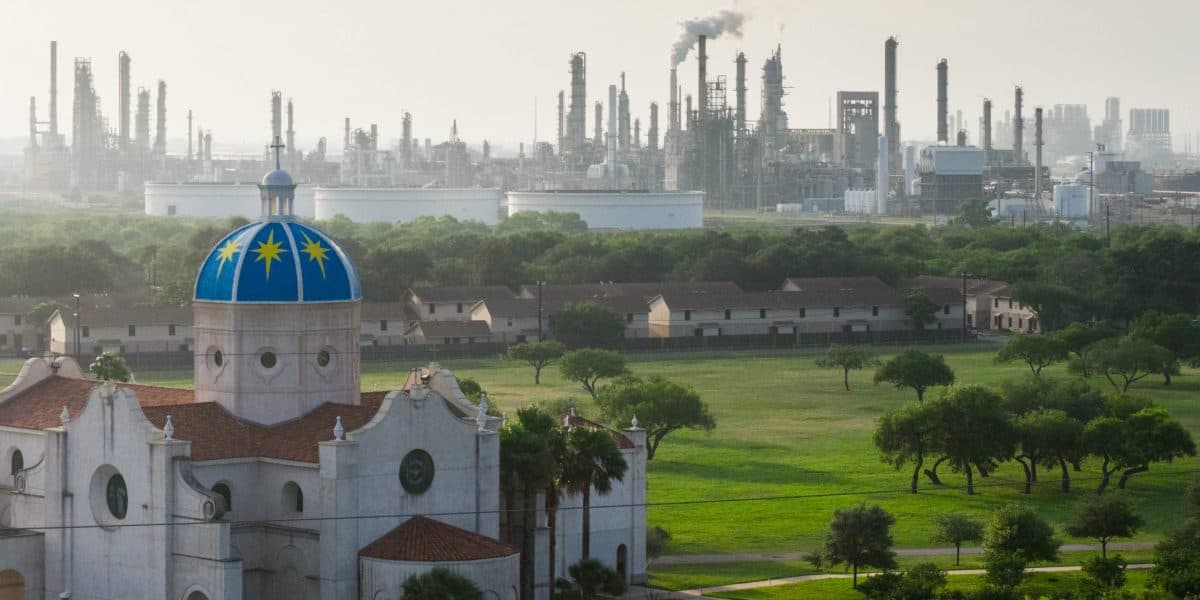
According to Fortune, Corpus Christi, Texas—home to America's largest oil export hub—faces an unprecedented water shortage that has reshaped daily life and raised alarms about infrastructure resilience. With reservoirs operating at just 8% capacity, the city has implemented strict conservation measures, including a two-year ban on maintaining green lawns. The crisis underscores how essential resources like water are critical to maintaining energy production and export operations that ripple across national markets.
The proposed solution to address the shortage—a $1.2 billion desalination facility—was ultimately abandoned due to escalating costs, leaving local officials scrambling for alternatives. This decision reflects the difficult trade-offs municipalities face when balancing infrastructure investment against fiscal constraints. For Tennessee businesses involved in energy logistics and supply chain management, the situation illustrates how regional resource constraints in other states can create unpredictable disruptions to national commerce.
City officials warn that December could bring an emergency declaration that would cap household water usage, potentially affecting both residents and the industrial operations that drive Corpus Christi's economy. The oil export terminal, which processes millions of barrels annually, requires significant water for cooling and processing. Any operational slowdowns could have downstream effects on fuel prices and availability for Nashville-area transportation and logistics companies.
The Corpus Christi crisis serves as a cautionary tale for Nashville business leaders about infrastructure vulnerability and climate resilience. As supply chains grow increasingly interconnected, disruptions in critical hubs—whether due to water scarcity, weather, or other constraints—can create unexpected challenges for regional economies. Companies dependent on energy supplies or transportation networks should monitor how coastal industrial centers address resource limitations.