Photo via TechCrunch
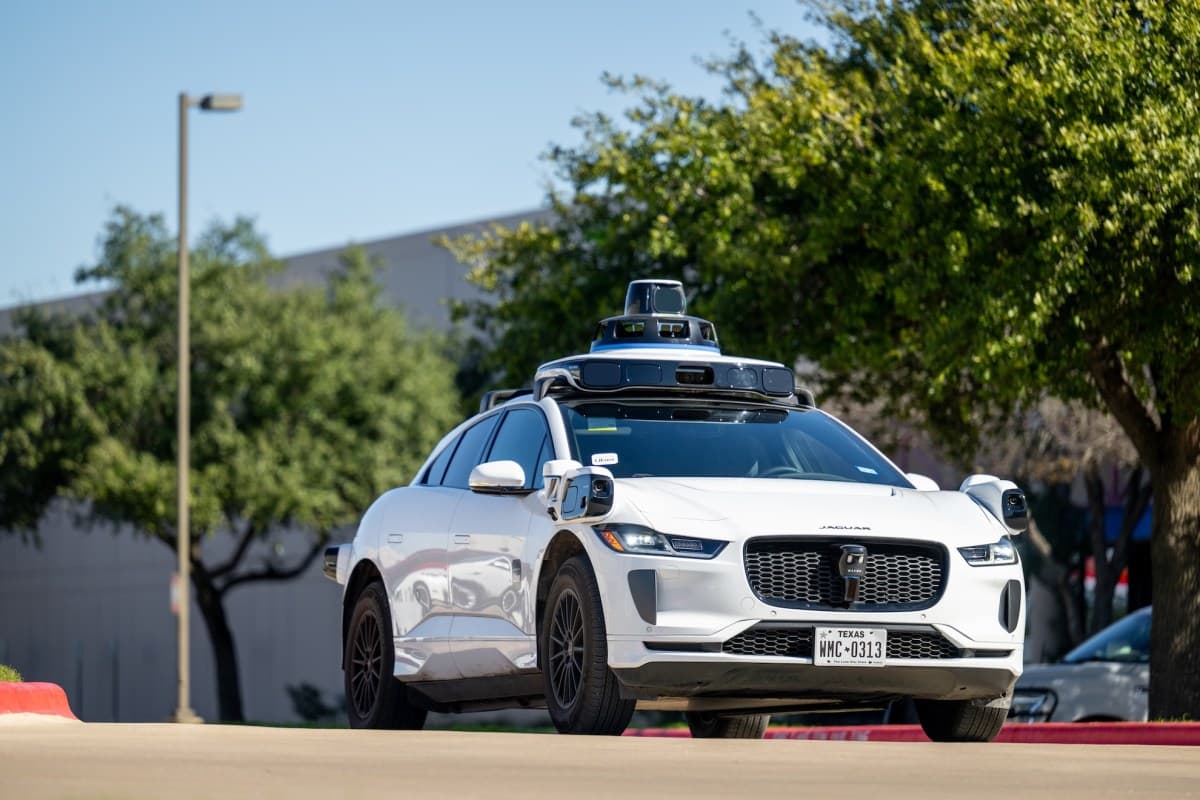
According to TechCrunch, Waymo has initiated a software recall designed to enhance the safety protocols of its robotaxi fleet when encountering flooded or water-damaged roadways. The update makes the autonomous vehicles more cautious and risk-aware in these challenging driving conditions, reflecting the company's commitment to addressing real-world environmental obstacles.
The recall represents a proactive approach to autonomous vehicle safety, demonstrating how self-driving technology developers must continuously refine their systems to handle unpredictable weather events. As climate patterns shift and severe weather becomes more common across the Southeast and nationwide, autonomous fleets operating in regions prone to flooding—including parts of Georgia—must adapt their decision-making algorithms accordingly.
Waymo indicated that the current software update serves as an interim solution, with a more comprehensive 'final remedy' currently in development. This phased approach allows the company to deploy immediate safeguards while engineering a more robust long-term fix that addresses the underlying technical challenges posed by water-affected road conditions.
For Nashville-area logistics and transportation companies monitoring autonomous vehicle deployment, this recall underscores the importance of weather-resilience testing in robotaxi development. As self-driving technology continues to mature and expand into new markets, the ability to safely navigate diverse environmental conditions will be a critical competitive differentiator for companies entering the autonomous transportation space.