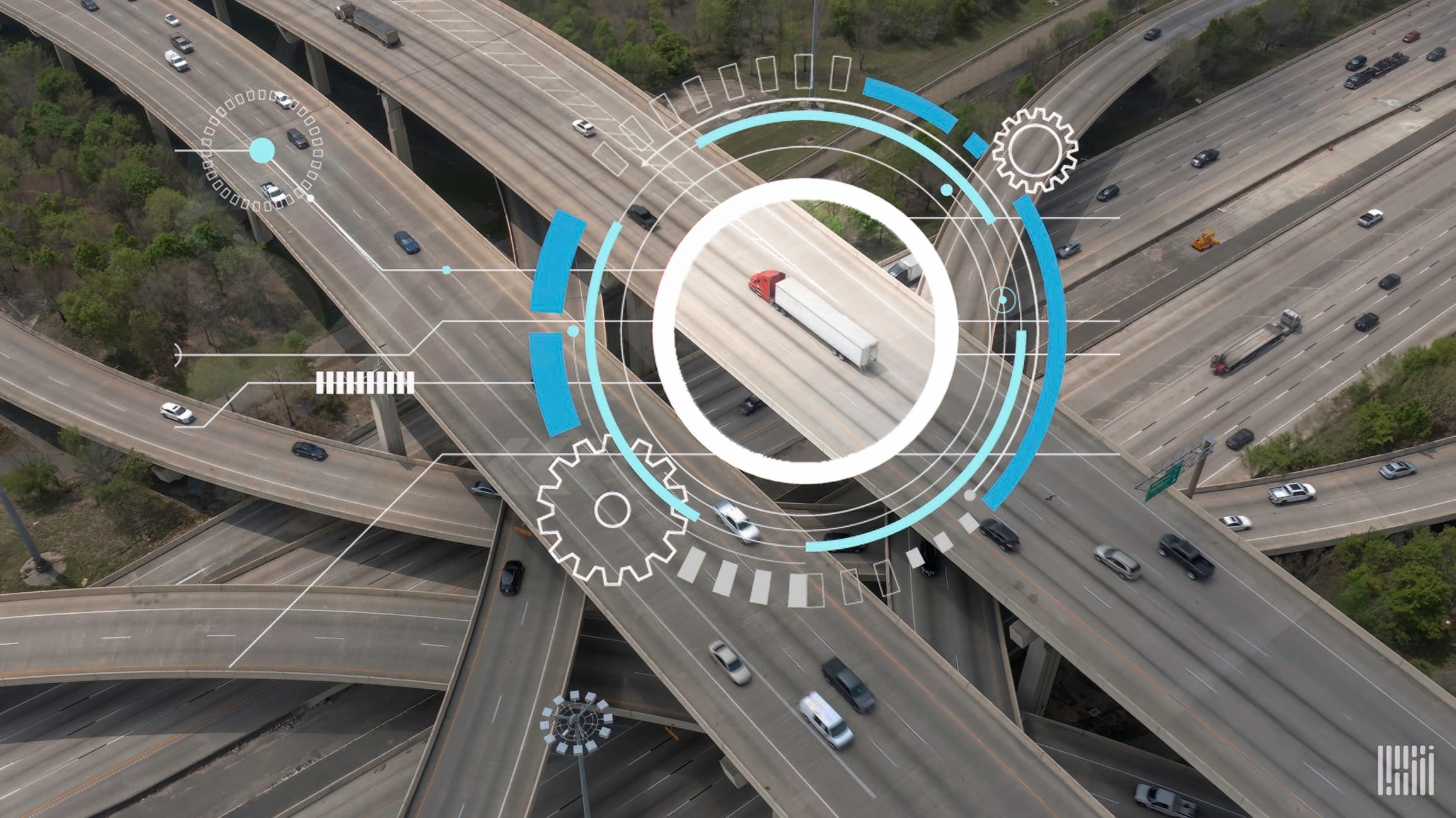
Photo via Fast Company
A software quirk in Waymo's robotaxi fleet has highlighted potential challenges as autonomous vehicle companies scale operations across the Southeast. According to reporting from Fast Company, dozens of empty Waymo vehicles have been mysteriously converging on residential cul-de-sacs in Atlanta during early morning hours, creating traffic congestion in neighborhoods where the vehicles have no passenger pickups scheduled. The behavior raises concerns about how AI-driven routing algorithms function when vehicles are in idle status between rides.
Waymo, which launched its Atlanta service in June 2025 with approximately 100 vehicles, says the company has already corrected the routing issue. The robotaxi operator issued a statement emphasizing its commitment to being a responsible neighbor and noting that its fleet completes over 500,000 weekly trips nationwide while reducing traffic accidents. However, the incident demonstrates that even mature autonomous vehicle operations can produce unexpected results when algorithms make decisions about where vehicles should position themselves during downtime.
The core challenge reflects a broader industry question: where should idle autonomous vehicles wait between rides? Waymo's stated strategy is to position vehicles either in dedicated parking facilities or on-street parking locations in high-demand areas. However, the Atlanta incident suggests the algorithm's definition of appropriate parking locations may not account for residential safety and community comfort concerns, a distinction that will matter as autonomous services potentially expand to Nashville and other regional markets.
For Nashville business leaders and planners monitoring autonomous vehicle adoption, the Atlanta case offers a practical lesson in technology governance. As companies vie to deploy robotaxi services in new markets, municipal leaders will likely demand clearer protocols around vehicle positioning, idle time management, and neighborhood impact mitigation before granting operational approval. The incident underscores that scaling transportation technology requires not just technical sophistication but also community-sensitive deployment practices.