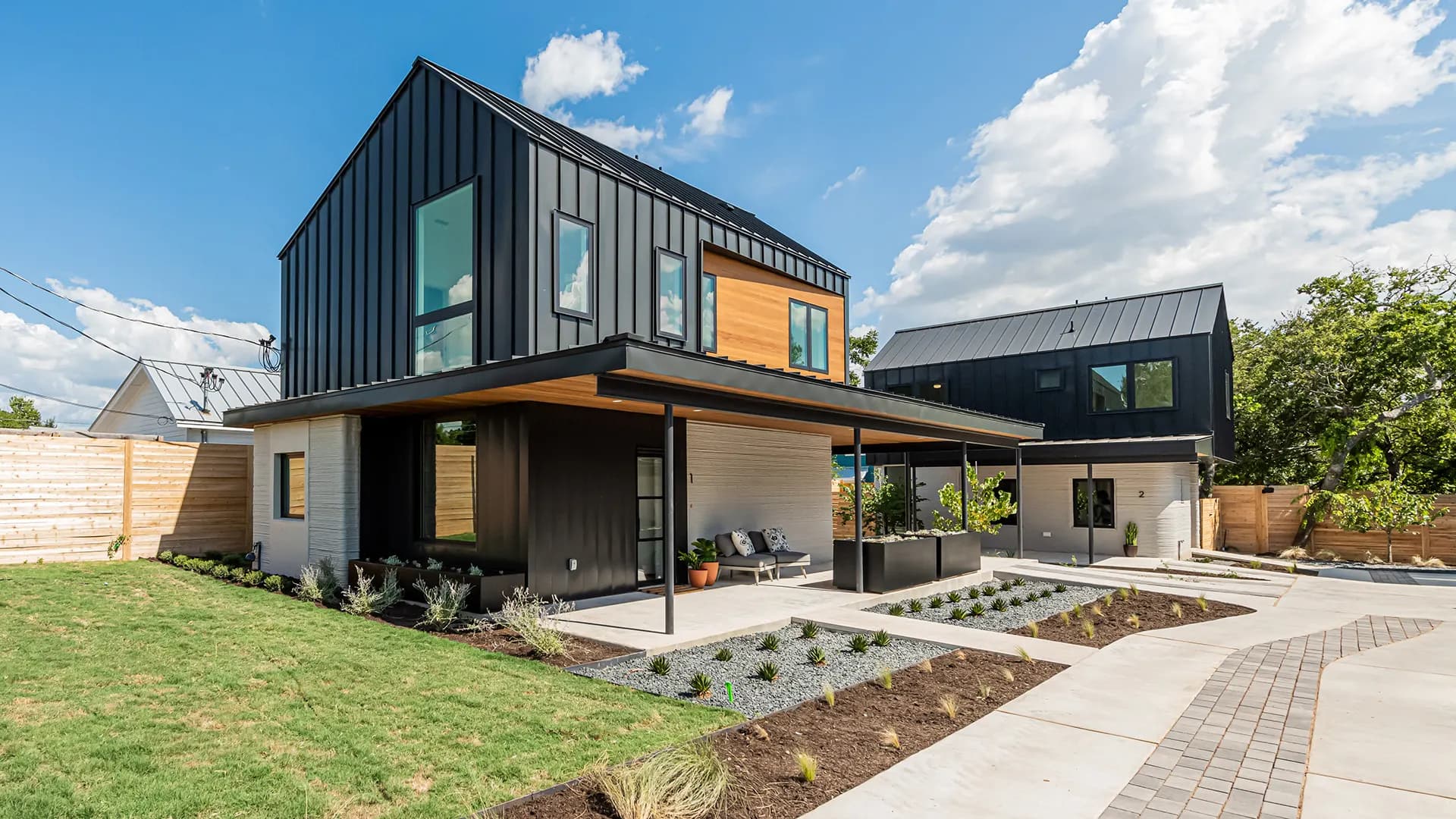
Photo via Inc.
Wells Fargo's decision to support 3D-printed housing represents a significant milestone for an industry long dismissed as experimental. The financial institution's backing provides legitimate credibility to a construction method that has struggled to gain traction with traditional lenders. According to Inc., this move marks one of the rare instances of large-scale institutional support for homes built using additive manufacturing technology.
For Nashville's real estate market—where affordable housing remains a persistent challenge as the region continues rapid growth—3D-printed construction could offer a compelling alternative. The technology promises faster build times and reduced material waste, potentially lowering costs for first-time homebuyers and addressing the housing shortage that has plagued Middle Tennessee communities.
The Wells Fargo initiative removes one of the major barriers that has slowed 3D-printed home adoption: financing. Without access to traditional mortgages and construction loans, buyers have been limited to cash transactions or specialized lenders. With mainstream banking support, the financing path becomes clearer, encouraging developers and construction firms to invest in the technology.
Nashville developers and builders should monitor this trend closely. As demographic shifts drive continued population growth in the region, innovative construction methods could help meet demand while keeping housing more affordable. Local real estate investors and residential developers may find competitive advantages by early adoption of 3D-printing technology in upcoming projects.