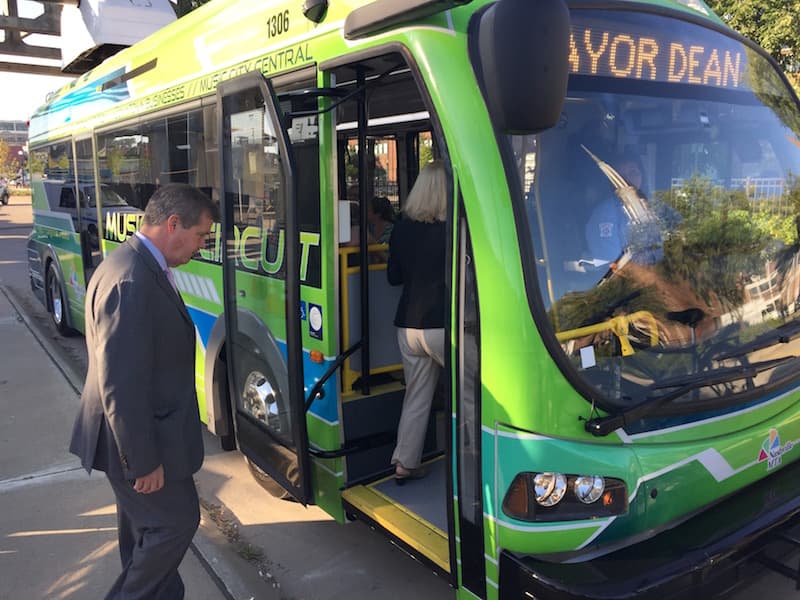
Photo via WPLN Nashville NPR
Nashville's transportation infrastructure is about to lose a notable chapter from its recent history. According to WPLN Nashville NPR, WeGo's fleet of all-electric buses—which once operated silently and free throughout downtown—is approaching the end of its service life with minimal fanfare or documentation of this innovative period.
The program launched in September 2015 under then-Mayor Karl Dean as an ambitious sustainability initiative designed to reduce emissions and provide cost-free transit options for downtown commuters and visitors. The zero-emission buses were positioned as a forward-thinking solution that would enhance Nashville's appeal as a modern, environmentally conscious city while easing congestion in the central business district.
However, the initiative appears to have struggled with long-term viability and maintenance challenges. The deteriorating condition of these vehicles suggests operational or funding obstacles that prevented sustained investment in the program, leaving questions about cost-effectiveness and procurement decisions that Nashville's business and civic leaders may need to revisit.
As this infrastructure phase-out occurs, Nashville's business community and city planners should examine lessons learned from the program's trajectory. Understanding what worked, what failed, and why could inform future sustainability investments and public-private partnerships aimed at improving mobility, reducing operational costs, and positioning Nashville competitively among peer cities pursuing transit innovation.