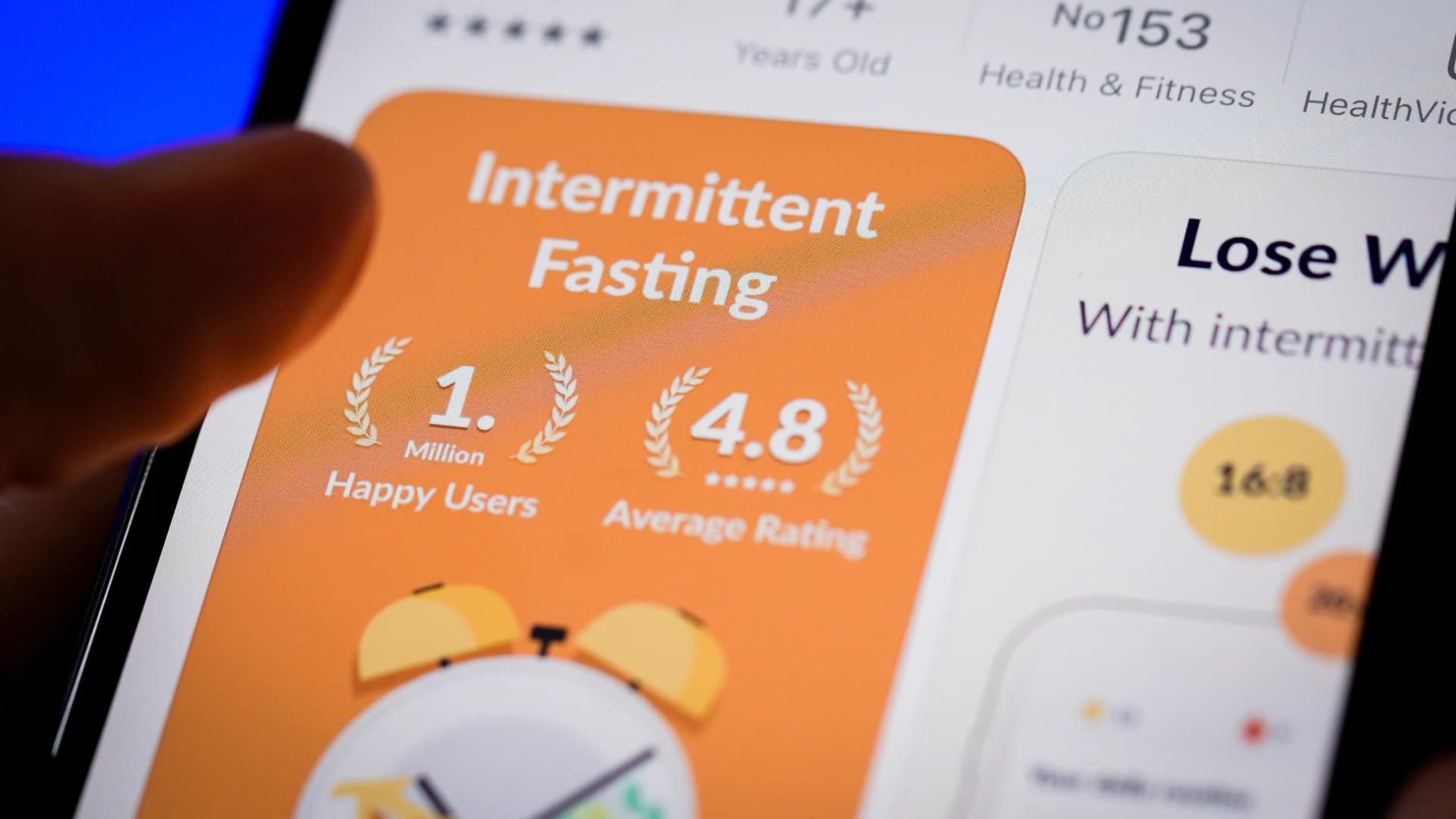
Photo via Inc.
Intermittent fasting has become increasingly popular among Nashville's entrepreneurial community and corporate professionals seeking productivity gains. However, according to recent scientific analysis covered by Inc., the relationship between fasting and mental clarity may be far more complicated than wellness advocates suggest. The research challenges widespread assumptions that skipping meals enhances focus and eliminates brain fog—claims that have driven adoption among executives looking for competitive advantages.
The scientific evidence presents a nuanced picture that Nashville business leaders should consider before restructuring their daily routines around fasting protocols. While some individuals report improved concentration during fasting periods, the analysis reveals that cognitive outcomes vary significantly based on personal metabolism, existing health conditions, and fasting duration. For professionals in high-stakes industries like healthcare, finance, and tech—sectors with significant Nashville presence—understanding these individual differences is crucial before implementing fasting as a performance strategy.
The implications extend beyond personal wellness into workplace culture and productivity management. Companies across Nashville's diverse business landscape may want to reconsider promoting intermittent fasting as an organizational best practice without acknowledging the mixed scientific evidence. What works for one executive may impair another's decision-making ability, potentially affecting business outcomes and team dynamics.
As Nashville's business community continues exploring wellness initiatives and performance optimization strategies, this research suggests a more personalized approach may be warranted. Rather than adopting fasting as a universal productivity tool, leaders should consider consulting healthcare professionals to evaluate whether such practices align with their individual cognitive needs and professional demands.