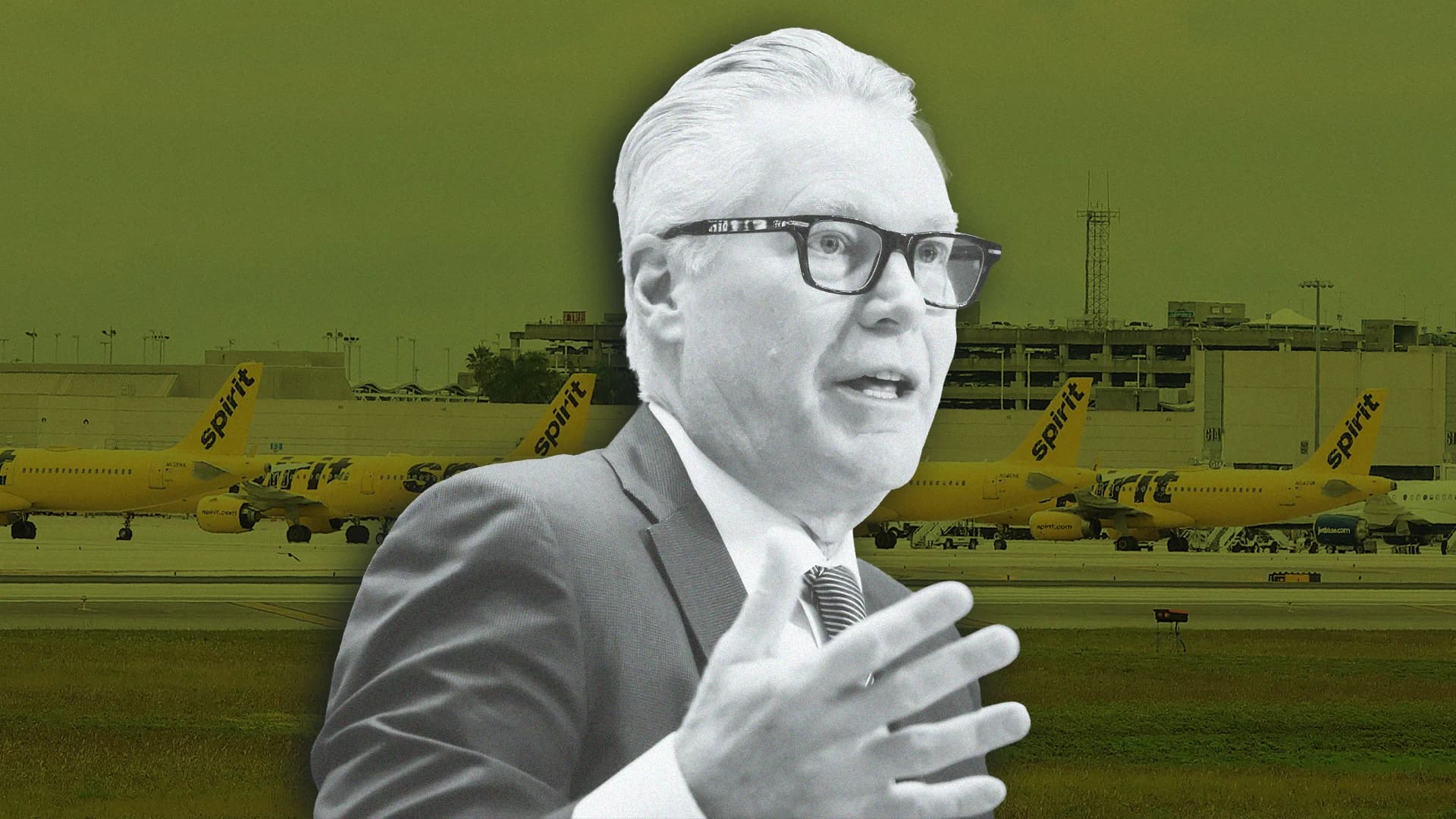
Photo via Inc.
Spirit Airlines' financial struggles have sparked industry-wide reflection on what actually constitutes a viable business model in competitive markets. According to Inc., a premium airline executive recently suggested that Spirit's core problem wasn't operational mismanagement alone—the airline's fundamental product offering failed to meet customer expectations at its price point. This analysis carries implications for Nashville-area businesses competing in crowded sectors where positioning matters as much as execution.
The aviation industry's ongoing restructuring mirrors challenges faced by service-oriented businesses across Middle Tennessee. When a company's value proposition doesn't align with customer perception, no amount of operational efficiency can restore profitability. For Nashville entrepreneurs and established firms alike, Spirit's cautionary tale underscores the importance of honest product assessment and market positioning before pursuing aggressive growth strategies.
Tennessee's growing role in logistics and transportation makes industry health particularly relevant locally. Nashville's strategic position as a distribution hub means airline capacity and pricing directly affect supply chain costs for regional manufacturers and retailers. Understanding why carriers succeed or fail helps local business leaders anticipate shipping costs and logistics availability for their operations.
The broader takeaway extends beyond aviation: companies must regularly evaluate whether their core offering genuinely solves customer problems at competitive prices. Nashville business leaders should use Spirit's experience as a prompt to audit their own value propositions, ensuring they're delivering distinct benefits that justify their market position and pricing strategy.