Photo via Fast Company
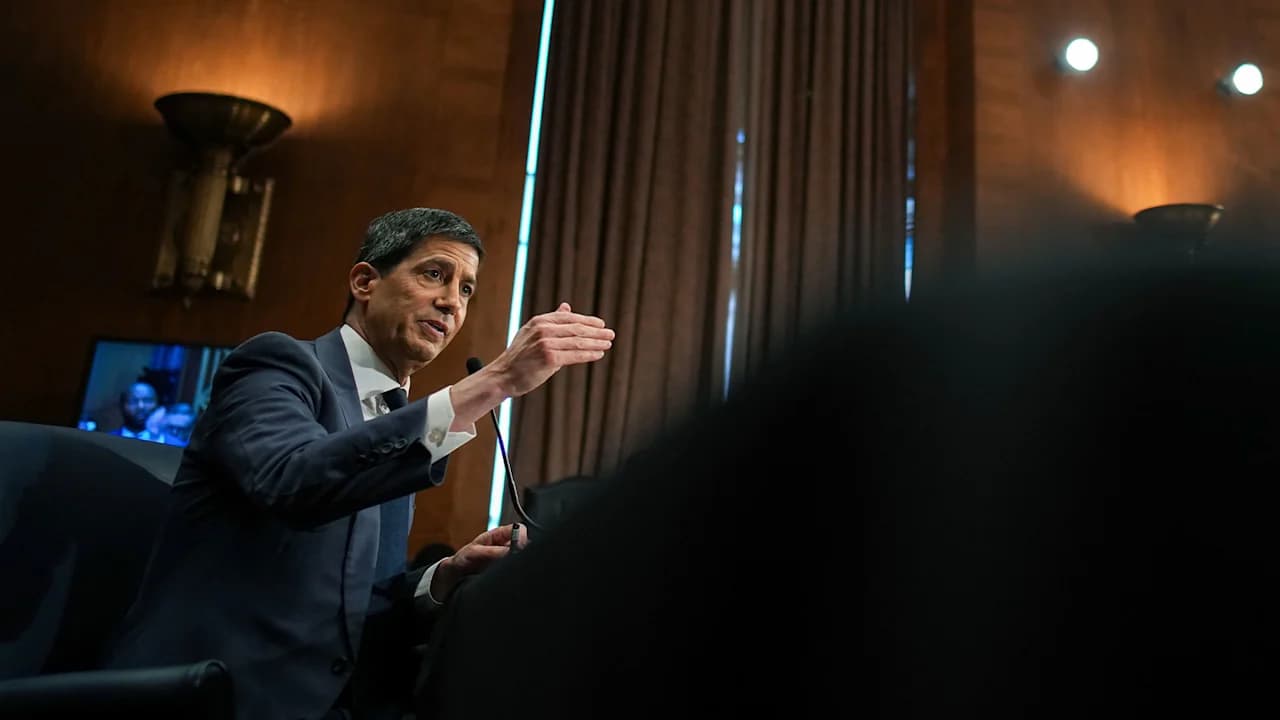
Kevin Warsh is poised to become the next chair of the Federal Reserve, taking control of the nation's monetary policy at a pivotal moment for the economy. His confirmation has raised concerns about Fed independence, particularly as President Trump has publicly pressured the central bank to cut interest rates. During his Senate confirmation hearing, Republican Senator John Kennedy famously asked whether Warsh would become "the president's human sock puppet," underscoring broader questions about how the incoming chair will balance political pressure against the Fed's traditional mandate to control inflation.
For Nashville-area business leaders, Warsh's approach to monetary policy carries real consequences. The Fed controls the benchmark interest rate that influences everything from mortgage rates affecting residential and commercial real estate to the cost of borrowing for small and mid-sized businesses throughout Middle Tennessee. Warsh's track record reveals inconsistency on inflation—he was once a vocal "hawk" pushing for rate hikes to combat inflation, but has recently supported the interest rate cuts Trump favors. His deep ties to Wall Street, including former roles at Morgan Stanley and hedge fund Duquesne Capital, have also raised ethical concerns among lawmakers.
According to scholars studying central banking, Warsh's financial sector background may actually help insulate him from presidential pressure once in office. Unlike politicians or career bureaucrats, Fed chairs with investment banking experience historically show more independence from the sitting president, as demonstrated by Jerome Powell during Trump's first term. Wall Street's traditional preference for lower inflation and higher interest rates creates institutional pressure that could counterbalance Trump's public demands for rate cuts, potentially keeping Fed policy more hawkish than the administration prefers.
However, Nashville business owners should watch whether Warsh can truly separate his interests from his previous financial sector career. The Fed is also gradually rolling back banking regulations implemented after the 2008 financial crisis—a direction Warsh strongly supports. This deregulatory approach could benefit larger financial institutions while potentially creating systemic risks that affect regional economies like Nashville's. How Warsh navigates between serving the financial industry's interests and the broader public mandate will shape borrowing costs and economic stability for years to come.