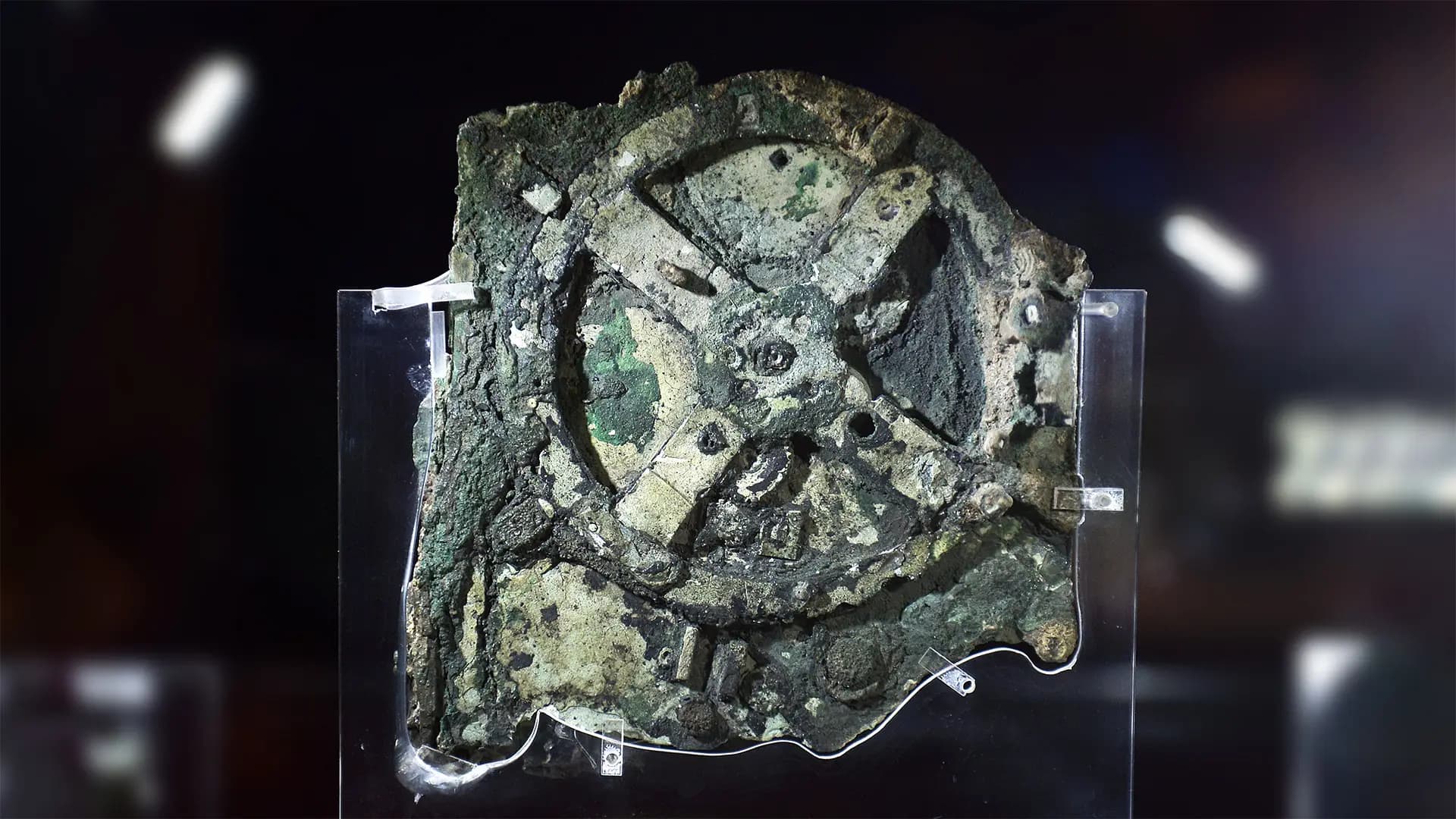
Photo via Inc.
In an unexpected convergence of modern digital culture and ancient science, a content creator's online experiment has sparked renewed interest in one of history's most puzzling technological artifacts. The Antikythera Mechanism, an intricate bronze device recovered from a Greek shipwreck and dating back roughly 2,000 years, has long captivated researchers seeking to understand its purpose and function. According to Inc., scientists have now revisited their analysis of this ancient "computer" following experiments conducted and shared by a YouTuber, potentially unlocking secrets that traditional academic approaches had not.
The incident underscores a growing trend in which online creators serve as bridges between specialized research communities and the general public. What began as an engaging YouTube video has catalyzed genuine scientific progress, demonstrating that breakthrough insights can emerge from unexpected sources. For Nashville's thriving technology and content creation sectors, this example illustrates the potential economic and intellectual value of fostering connections between digital media professionals and research institutions.
The Antikythera Mechanism represents humanity's earliest known sophisticated computing device, featuring dozens of interlocking gears designed to predict astronomical positions. Its complexity suggests advanced mathematical and mechanical knowledge in the ancient world. The YouTuber's hands-on experimental approach provided researchers with fresh perspectives on how the mechanism functioned, prompting institutional scientists to reconsider prior conclusions and pursue new investigative angles.
This collaboration between amateur experimenters and credentialed researchers reflects broader shifts in how innovation happens across industries. Nashville-area businesses—particularly those in education technology, digital media, and applied sciences—stand to benefit from recognizing that breakthrough thinking often emerges when diverse expertise converges. The case demonstrates why investment in both formal research infrastructure and creative digital platforms may yield returns far beyond their immediate scope.