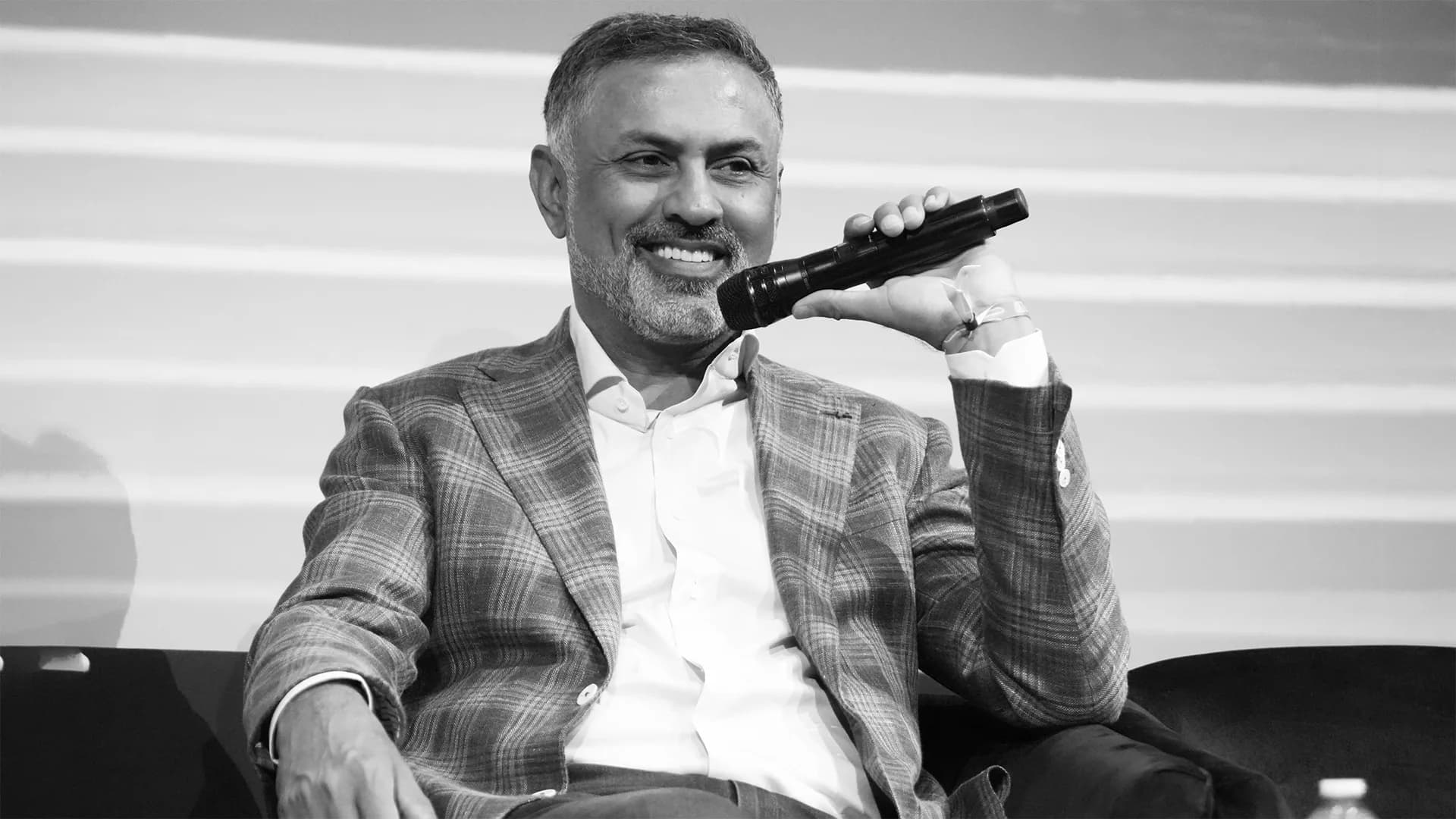
Photo via Inc.
Say-on-pay votes emerged from the ashes of the 2008 financial crisis as a mechanism for shareholders to voice concerns about executive compensation packages. However, according to Inc., one high-profile CEO continues to receive substantial shareholder opposition to his nearly $100 million payday—yet the compensation structure persists. This disconnect raises critical questions for Nashville-area business leaders about the true power of shareholder activism and board accountability.
The recurring rejection of compensation packages by shareholders suggests a fundamental breakdown in the alignment between corporate leadership and investor interests. When employees and community stakeholders witness ongoing disputes over executive pay, it can affect talent retention, company culture, and reputation—considerations especially important for Nashville businesses competing for regional talent in competitive sectors like healthcare, technology, and logistics.
According to the Inc. article, the CEO in question continues to defend his compensation despite repeated shareholder rejections, arguing he deserves the package based on performance metrics. This raises important governance questions: Are boards genuinely listening to shareholder concerns? Do say-on-pay votes carry meaningful consequences, or have they become procedural formalities that boards can ignore?
For Nashville business owners and executives, this case study serves as a cautionary tale about shareholder relations and corporate transparency. As companies grow and expand beyond founding stages, establishing fair compensation frameworks and responsive governance structures becomes essential for long-term credibility and attracting institutional investment.