Photo via Fortune
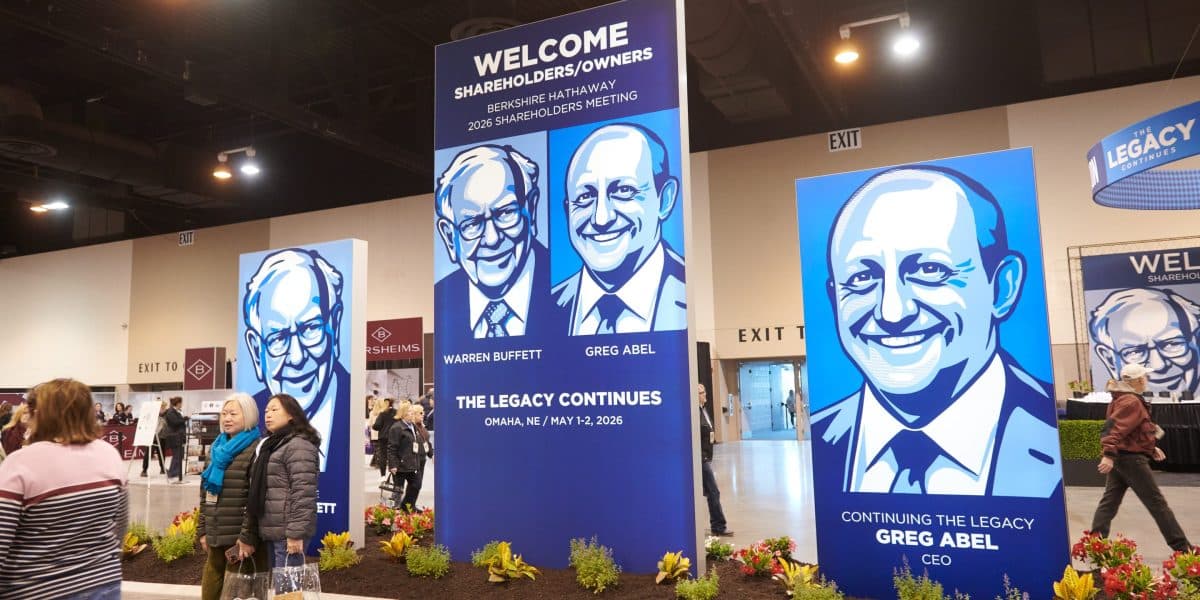
Greg Abel has officially taken the helm at Berkshire Hathaway, marking the end of an era defined by Warren Buffett's four-decade tenure. According to Fortune, some long-time investors—including the article's author—initially questioned whether Abel possessed the right skill set to lead the diversified holding company. However, a closer examination reveals that Abel's appointment may actually address critical gaps in how Berkshire operates in today's business environment, suggesting that his leadership style aligns better with current market demands than a continuation of Buffett's approach.
The transition represents more than a simple changing of the guard. Abel brings operational expertise and a forward-thinking perspective that contrasts with the buy-and-hold philosophy that defined Buffett's strategy. For Nashville-area business leaders managing portfolios or investment decisions, this shift highlights an important lesson: successful companies must evolve their leadership structures to reflect changing economic conditions, technological advancement, and stakeholder expectations. The scale of Berkshire's transition underscores how even the most storied organizations must adapt to remain competitive.
Abel's background in managing Berkshire's energy operations demonstrates his ability to oversee complex, capital-intensive businesses while navigating regulatory environments and sustainability pressures. According to the source article, this operational depth gives him credibility with both employees and investors who need confidence in strategic decision-making. For regional business professionals, Abel's promotion exemplifies how technical expertise and hands-on operational management can be valued more highly than maintaining historical precedent, a principle applicable across industries from manufacturing to service-based enterprises.
The change also signals to the broader investment community that even legendary investors and institutions must eventually transition leadership. This has ripple effects across corporate governance discussions and succession planning conversations in boardrooms throughout Nashville and beyond. As companies of all sizes consider their own leadership continuity, Berkshire's smooth transition under Abel provides a case study in how planning and strategic appointments can maintain organizational momentum and stakeholder confidence during transformational periods.