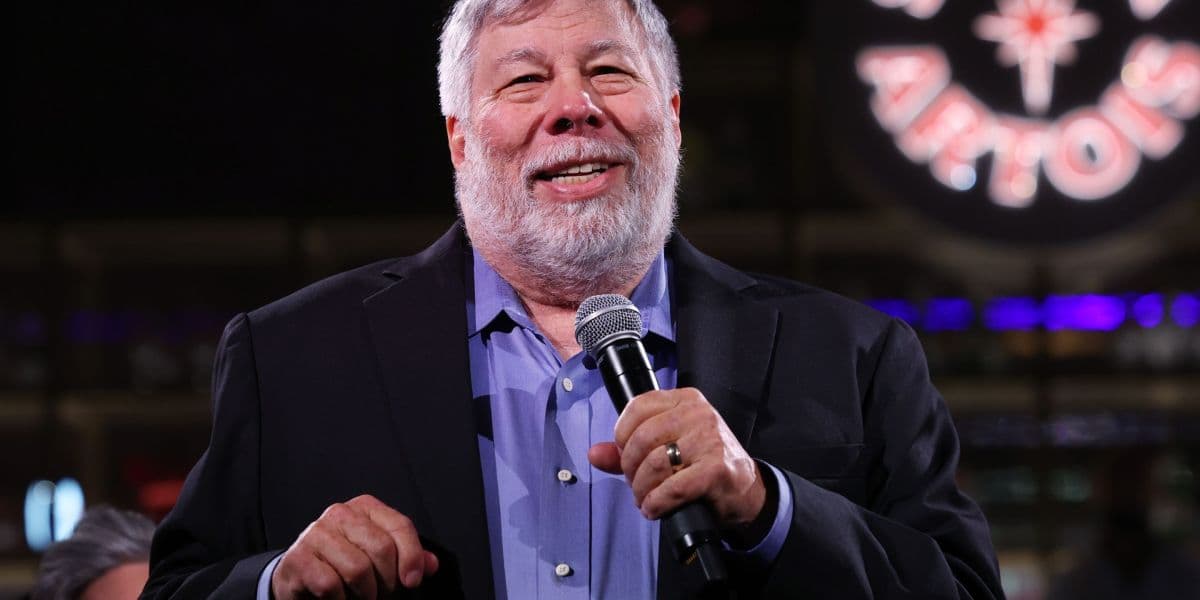
Photo via Fortune
Apple cofounder Steve Wozniak's journey to launching one of the world's most influential technology companies didn't begin with a desire for wealth—it started with persistence through rejection. According to Fortune, Wozniak pitched his ideas to Hewlett-Packard five times before the company declined to support his vision. Rather than abandon his work, he and Steve Jobs chose to build Apple independently, driven by a commitment to innovation rather than financial gain.
For the early years of Apple's existence, Wozniak's compensation reflected his priorities: a modest $50 paycheck. This modest salary stood in stark contrast to the trajectory his company would eventually achieve. The contrast raises important questions for today's Nashville startup ecosystem about what truly motivates founders and whether financial expectations should drive entrepreneurial decisions from day one.
Wozniak's decision to sell his Apple stake early and distance himself from significant wealth reveals a deliberate choice about values. As he explained, he feared that proximity to substantial money could compromise his principles and corrupt the values that originally inspired his work. This perspective challenges the conventional startup narrative that positions maximum wealth accumulation as the ultimate measure of success.
For Nashville-area business leaders and aspiring entrepreneurs, Wozniak's story underscores an often-overlooked truth: companies built on genuine purpose and problem-solving can achieve far greater impact than those primarily motivated by profit. His willingness to reject HP's security in favor of pursuing his vision—and later to step back from potential trillionaire status—demonstrates that sustainable business success may depend less on financial greed and more on unwavering commitment to solving meaningful problems.