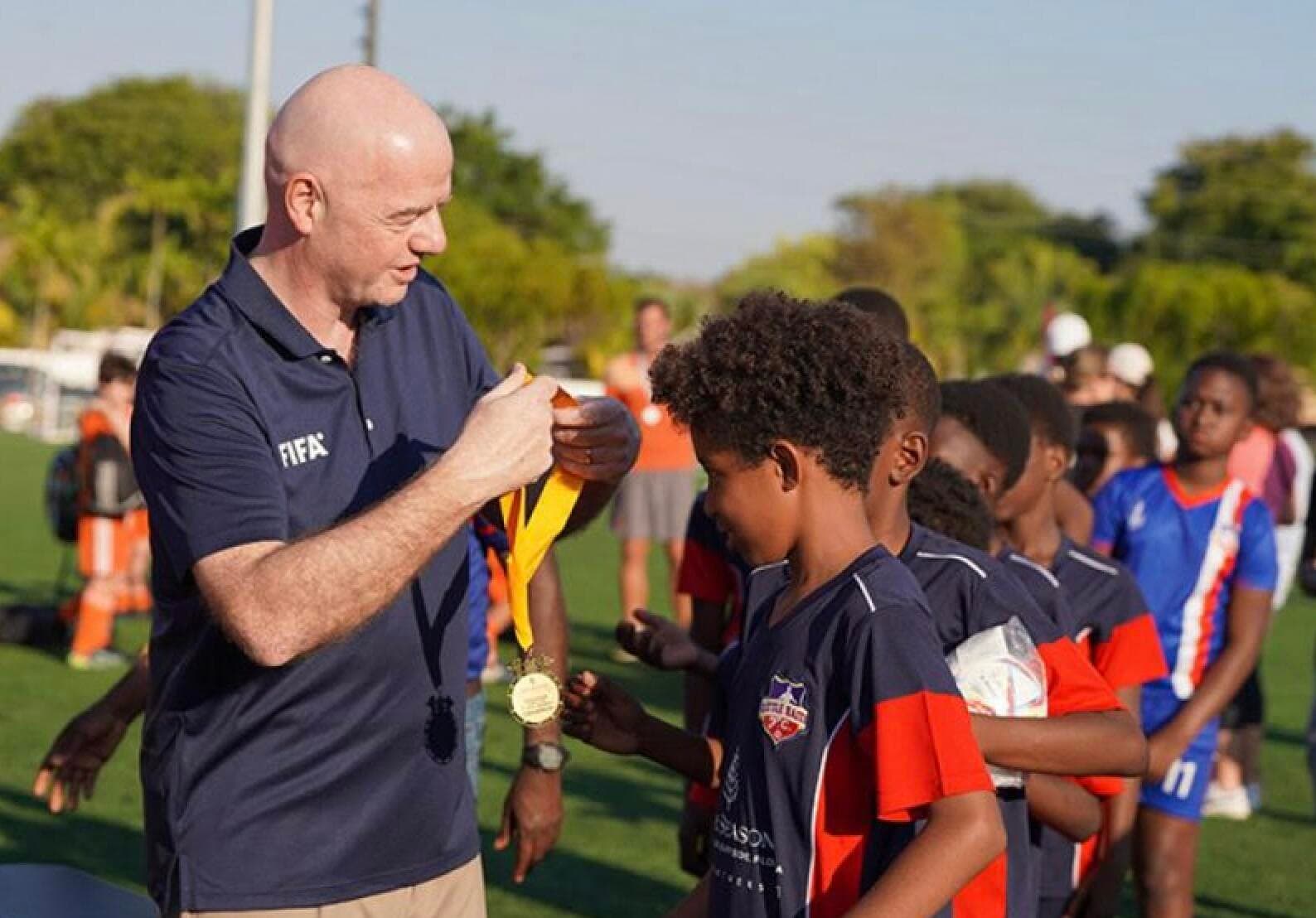
Photo via WPLN Nashville NPR
For decades, American youth soccer has operated on a pay-to-play model that favors affluent suburban families, according to WPLN Nashville NPR. This structure—where participation requires substantial financial investment—has created a significant barrier to entry for lower-income communities, potentially leaving talented young athletes untapped. As Nashville's youth population grows and families seek quality recreational and competitive opportunities, local sports organizations and businesses should consider how this access gap affects community development and regional talent pipelines.
Critics argue the pay-to-play system undermines player development when compared to countries with more inclusive youth soccer ecosystems. According to the reporting, this financial gatekeeping may be costing American soccer programs valuable talent that could strengthen competitive performance at higher levels. For Nashville-area schools, youth leagues, and community organizations, understanding these barriers presents an opportunity to innovate around access and create more equitable pathways for young athletes across economic backgrounds.
The 2026 World Cup, hosted in the United States, may serve as a catalyst for reform in how youth soccer operates domestically. According to WPLN, stakeholders hope the international attention will prompt systemic changes that broaden participation and democratize access to the sport. Nashville organizations—from municipal recreation departments to corporate sponsors—can position themselves as leaders in this potential transformation by examining local youth sports infrastructure and identifying ways to remove financial obstacles while maintaining program quality.