Photo via Inc.
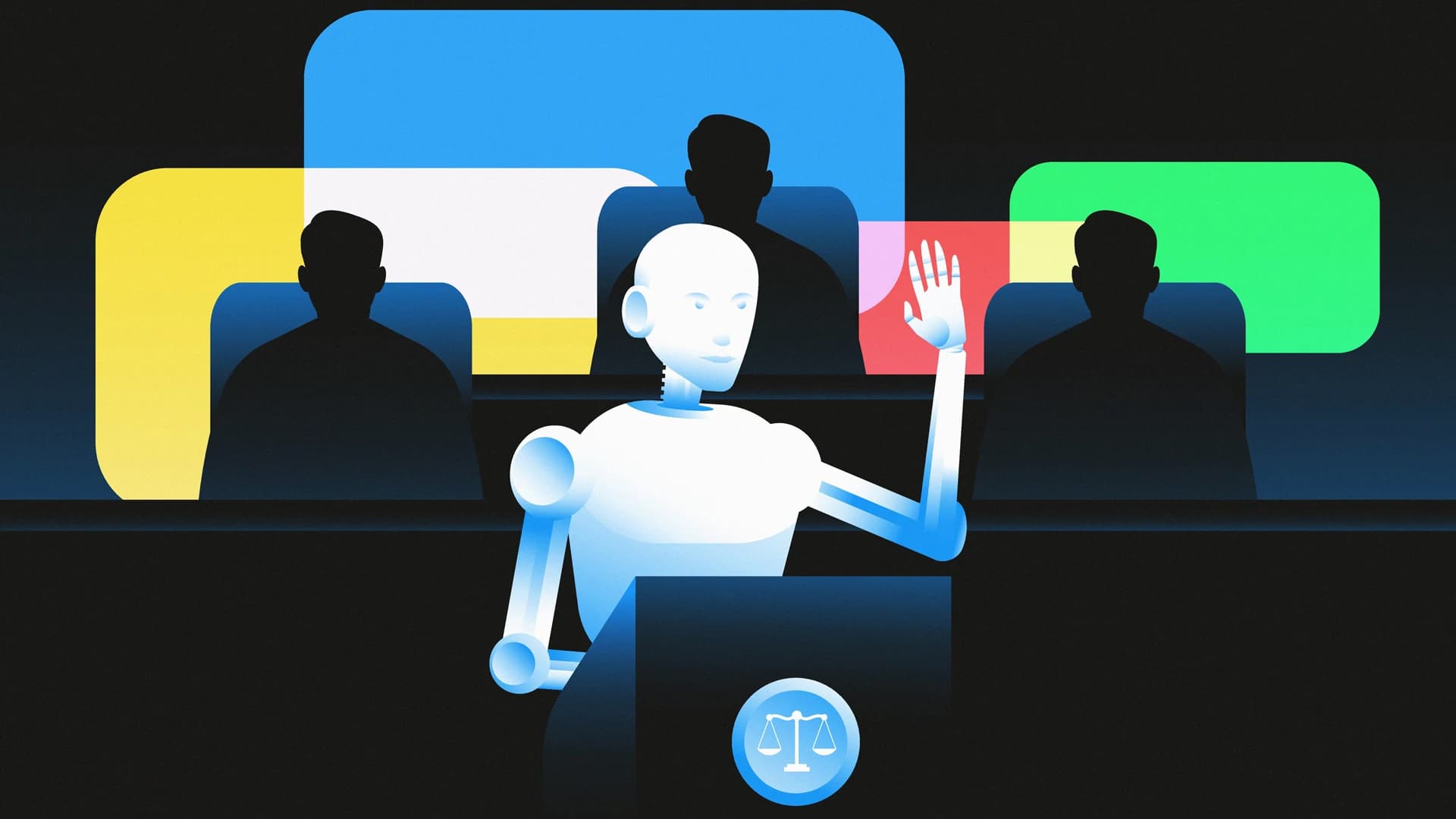
Courtrooms across the country are experiencing a notable shift as artificial intelligence begins playing a more prominent role in legal filings and case preparation. According to Inc., judges are encountering a growing number of AI-assisted documents, though the quality and reliability of these submissions varies significantly. For Nashville-area business owners involved in litigation—whether contract disputes, employment matters, or intellectual property cases—understanding this emerging landscape is increasingly important.
The promise of AI in legal work is substantial. Attorneys and their clients can potentially reduce time spent on document preparation, research, and initial drafting, which traditionally drives up legal costs. For small to mid-sized Nashville businesses with limited legal budgets, AI tools could theoretically democratize access to more thorough case preparation. However, the inconsistency in output quality means business leaders must maintain realistic expectations and ensure competent human oversight of any AI-generated legal materials.
The risks warrant careful consideration. Courts have already documented instances where AI-generated filings contain fabricated case citations, nonsensical arguments, or procedural errors that undermine a party's credibility and case strength. For Nashville businesses, submitting flawed AI-assisted documents could result in sanctions, lost motions, or damaged judicial relationships that extend beyond the immediate dispute. This reality underscores that AI remains a tool requiring skilled human judgment, not a replacement for it.
As AI legal technology matures, Nashville business owners should work closely with qualified attorneys who understand both the technology's capabilities and its limitations. The intersection of cost savings and legal quality remains delicate; the cheapest option isn't always the best risk management strategy. Staying informed about these developments will help local business leaders make smarter decisions about their legal representation and case preparation processes.