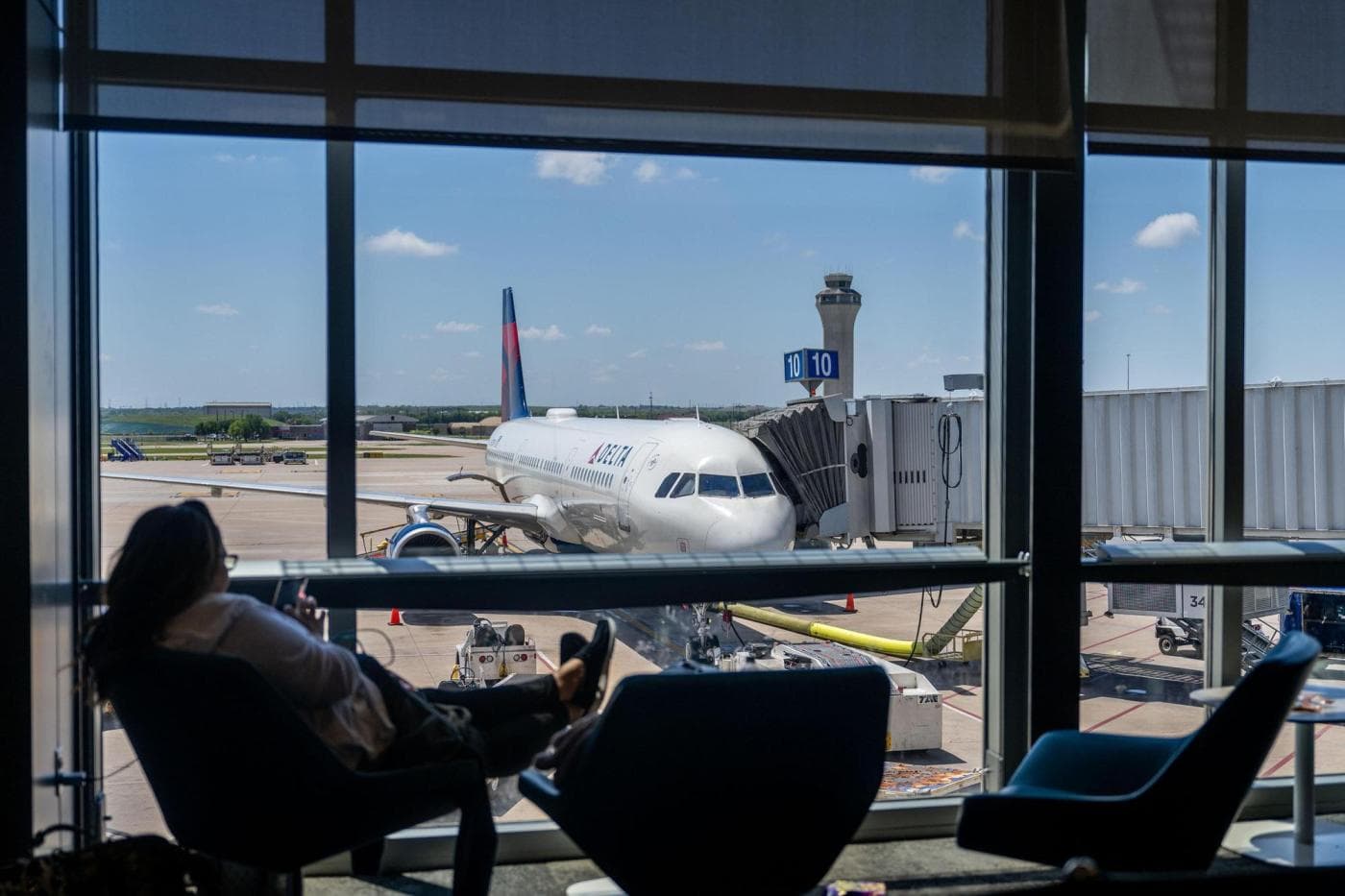
Photo via Inc.
Spirit Airlines' financial collapse has triggered a class action lawsuit from thousands of affected employees, underscoring the broader vulnerabilities facing workers in the aviation sector. The carrier's shutdown left approximately 17,000 employees without jobs, prompting legal action to pursue compensation for their losses. This development reflects growing tension between corporate restructuring and employee protection in industries prone to sudden market shifts.
According to Inc., the lawsuit represents a significant challenge to the airline industry's standard practices during bankruptcies. The case highlights questions about severance obligations, wage guarantees, and pension protections—issues that ripple across all carriers and their workforce strategies. For Nashville-area businesses with travel operations or logistics dependencies on regional airlines, the case underscores risks in supply chain stability.
Spirit's collapse carries lessons for Tennessee's broader transportation and logistics sectors, which rely on consistent air cargo and passenger connectivity. The bankruptcy demonstrates how rapidly transportation providers can fail without adequate financial buffers, affecting everything from supply chain reliability to business travel accessibility for Middle Tennessee companies.
As the litigation proceeds, employment law experts will likely clarify what obligations airlines must meet when ceasing operations. The outcome could reshape how aviation employers plan workforce transitions and establish clearer protection standards—potentially influencing operational costs and hiring practices across the industry for years to come.