Photo via Kvia
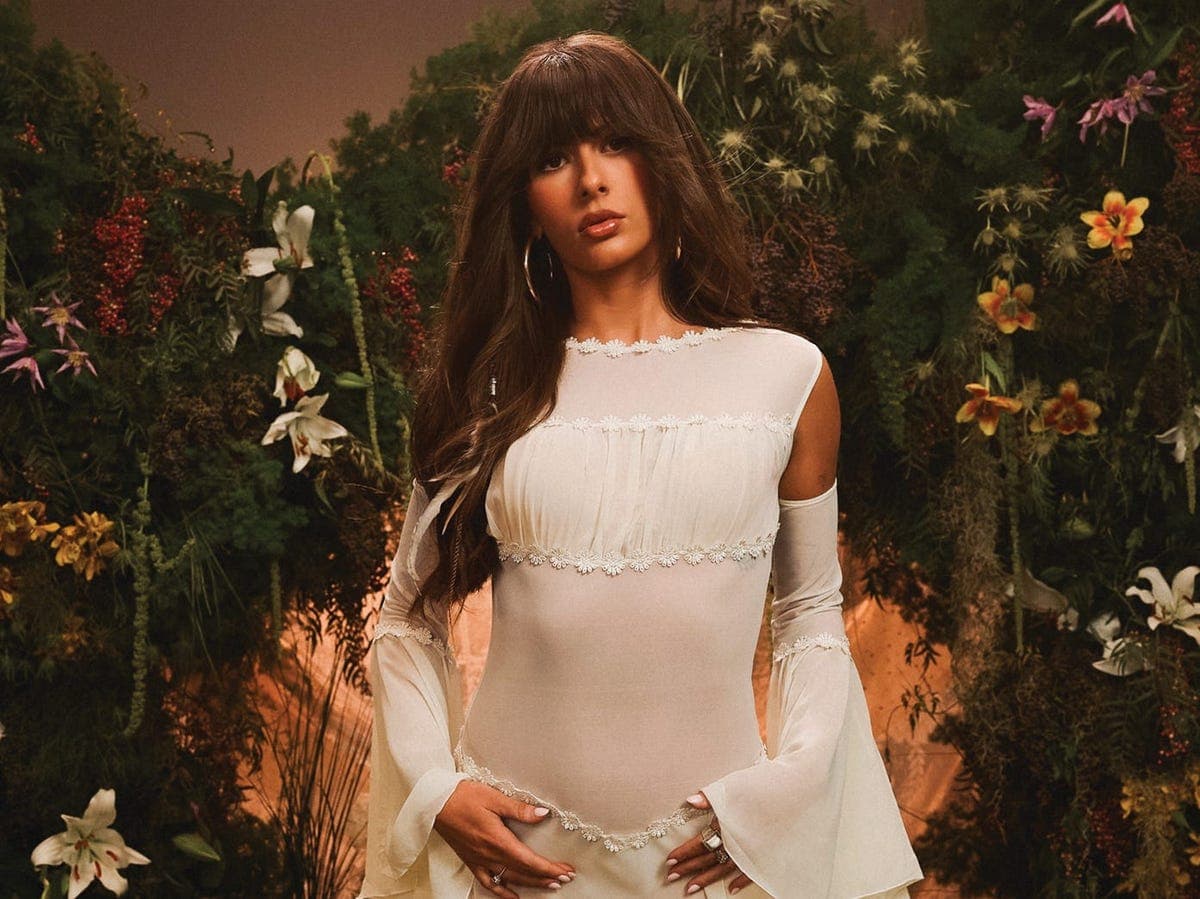
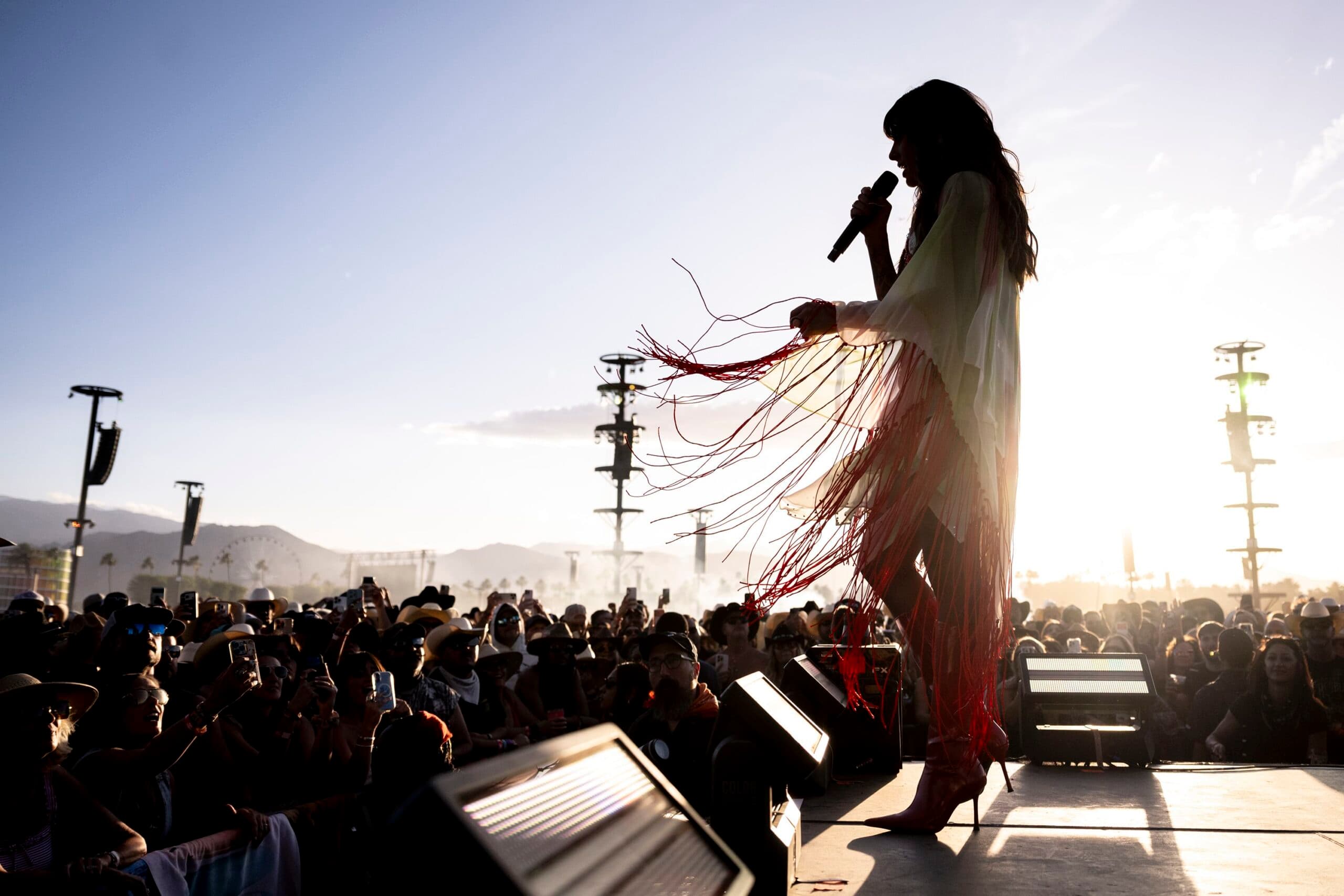
Nashville's music industry faces a growing paradox in the streaming era: a song can become a massive hit while remaining invisible to broad swaths of potential listeners. According to reporting on country artist Ella Langley's recent success, algorithmic curation has fundamentally altered how music gains traction. What counts as a 'hit' increasingly depends less on traditional radio metrics and more on which streaming platforms prioritize a track—creating winners and losers based on opaque digital recommendation systems rather than universal exposure.
For Nashville-based record labels, producers, and independent artists, this algorithmic fragmentation presents both challenge and opportunity. The traditional gatekeepers of radio airplay have been supplemented—and in some cases superseded—by machine learning models that serve different songs to different users based on listening history and demographic data. This means marketing strategies must now account for multiple discovery pathways simultaneously, from TikTok trends to algorithm-driven playlists on Spotify and Apple Music.
As Nashville continues to establish itself as a hub for not just country music but pop-country and cross-genre hybrid sounds, understanding these digital distribution dynamics has become essential for industry professionals. Emerging artists and established labels alike must navigate a landscape where reaching 'everywhere and nowhere' has become the new normal, requiring sophisticated data analysis and multi-platform strategies to cut through the noise.