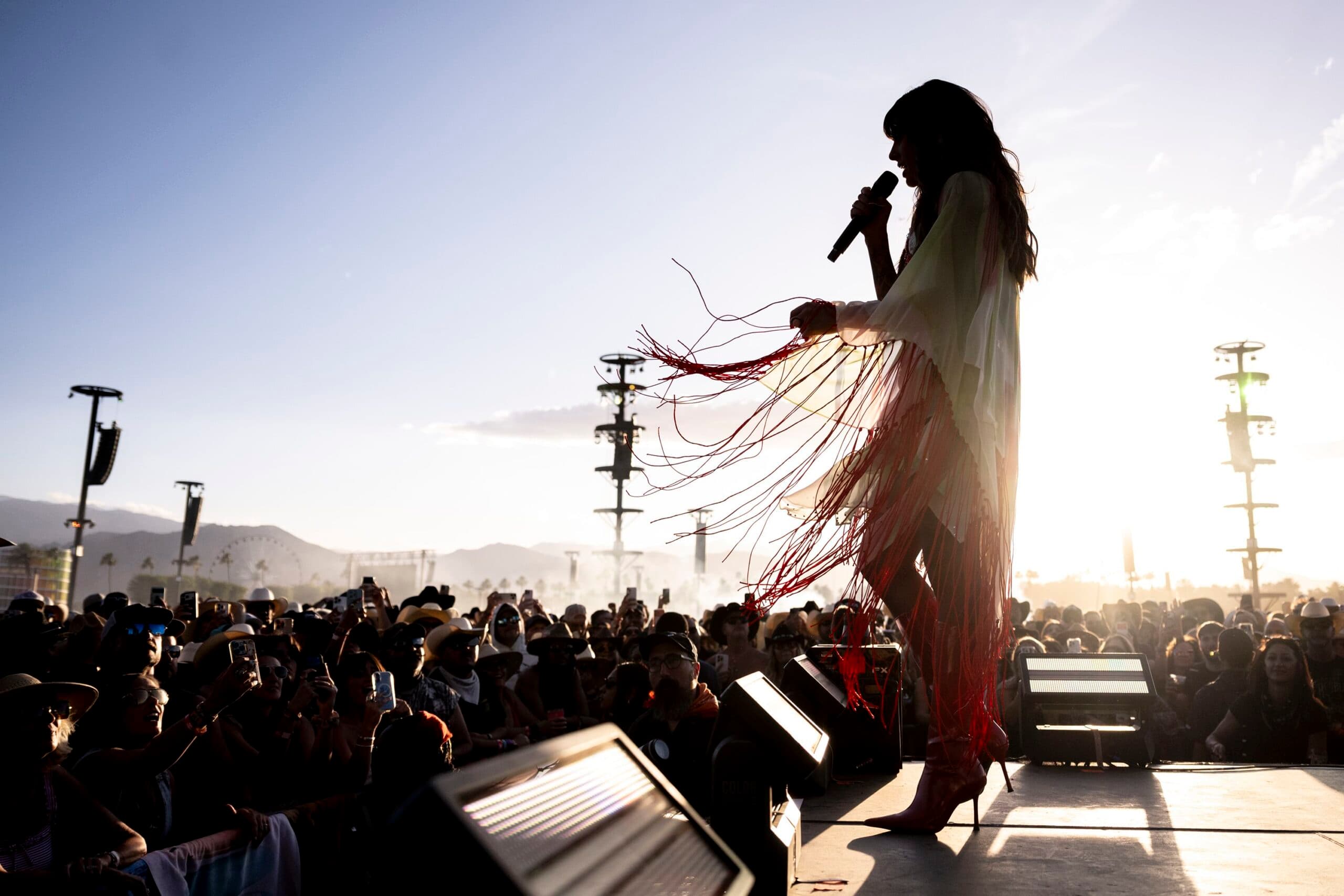
Photo via WPLN Nashville NPR
Nashville's music industry has long thrived on proximity and accessibility. According to WPLN Nashville, the city's smaller footprint historically allowed emerging artists and musicians to establish themselves through direct relationships—a music engineer recounted how Keith Urban famously walked Music Row seeking studio opportunities, using face-to-face connections to build his early career. This informal mentorship model became foundational to Nashville's identity as a launching pad for country music talent.
The rapid growth transforming Nashville presents a structural challenge to this time-tested approach. As the metropolitan area expands geographically and demographically, the concentrated clusters that once made serendipitous industry encounters routine are dispersing. Real estate development, corporate consolidation of studios, and the influx of non-music sectors have altered the professional landscape that nurtured generations of artists and producers.
For Nashville's business community, the shift raises important questions about how to preserve the collaborative infrastructure that remains the city's competitive advantage. Industry leaders and developers face pressure to maintain affordable creative spaces, foster networking environments, and support the informal knowledge-sharing that continues to differentiate Nashville from Los Angeles, New York, and other music capitals in an increasingly digital era.