Photo via Inc.
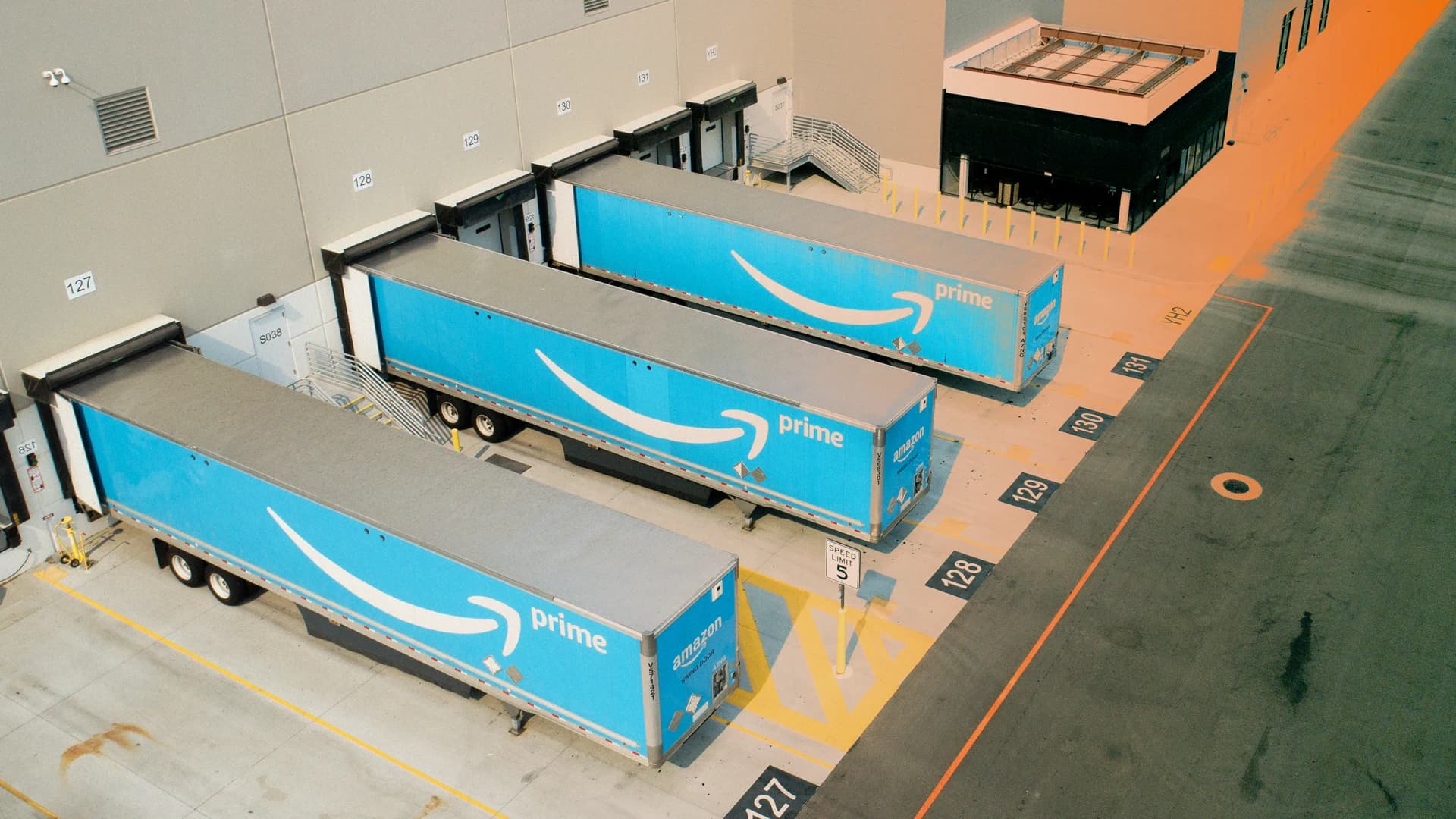
Amazon is fundamentally reshaping the logistics landscape by extending access to its delivery network beyond its own operations. According to Inc., this strategic move represents a significant pivot that could force competitors and retail partners to reconsider how they manage their supply chains and fulfillment operations. For Nashville-area businesses reliant on shipping partners, this development signals a competitive shift that demands attention.
The implications for regional retailers and e-commerce operators are substantial. By opening its delivery infrastructure, Amazon is leveraging its existing advantage—an unparalleled network built over decades—while simultaneously positioning itself as a logistics service provider rather than solely a retailer. This dual role could pressure traditional shipping companies and create new opportunities for businesses seeking cost-effective fulfillment solutions.
Nashville's growing retail and distribution hub status makes this transition particularly relevant. The region hosts multiple distribution centers and serves as a central logistics hub for the Southeast. Local businesses and third-party sellers who understand how to navigate this expanded Amazon delivery ecosystem may find competitive advantages, while those unprepared could face margin pressures from new service options.
Companies across Middle Tennessee should monitor how this network expansion evolves and assess whether integrating Amazon's delivery services aligns with their operational strategy. The shift underscores a broader industry trend: logistics infrastructure is becoming commoditized, and retailers must differentiate through speed, service quality, and customer experience rather than delivery capability alone.