Photo via Inc.
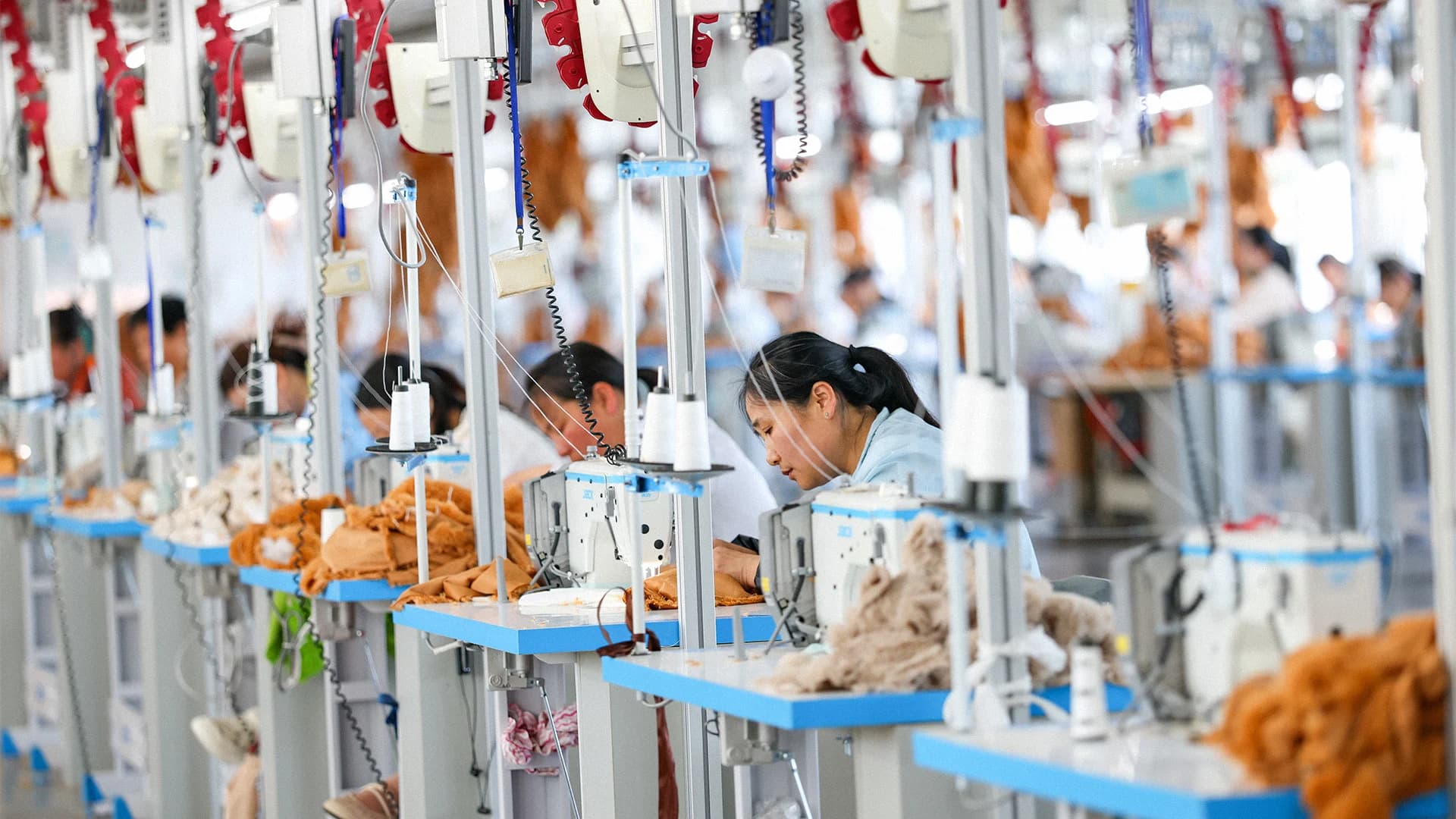
U.S. manufacturers seeking to reduce their dependence on Chinese production now face an unexpected barrier: Beijing itself. According to Inc., new Chinese regulations have been enacted specifically to penalize foreign companies attempting to relocate operations in response to U.S. tariffs. For Nashville-area businesses in manufacturing and logistics, this development adds complexity to what many viewed as a straightforward exit strategy from China.
The regulations effectively create legal jeopardy for companies caught in the middle of the U.S.-China trade dispute. Firms that move production to other countries—whether Southeast Asia, Mexico, or closer to home—may trigger investigations by Chinese authorities under these new rules. This puts executives in an impossible position: facing pressure from Washington to diversify supply chains while simultaneously risking legal consequences from Beijing.
For regional manufacturers and supply chain managers, the implications are significant. Companies that have already begun or planned relocation efforts may now face unexpected compliance challenges, regulatory delays, or asset freezes in China. This uncertainty extends timelines for supply chain restructuring and increases the cost of doing business during a period when many Nashville-based firms are already evaluating their global sourcing strategies.
Legal and compliance experts recommend that businesses reassess their supply chain exit plans in light of these new Chinese regulations. Companies should consult with international trade counsel before implementing relocation strategies and consider how to structure moves to minimize regulatory exposure. For Nashville manufacturers and distributors, this development underscores the need for sophisticated global trade strategy rather than simple geographic solutions.