Photo via Fortune
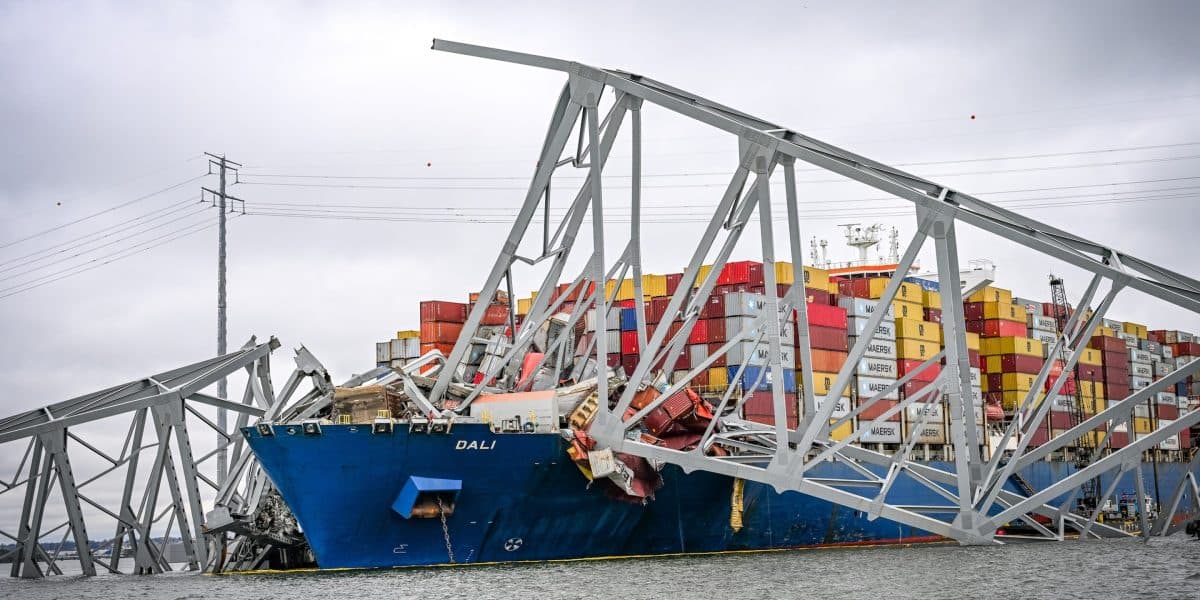
Federal prosecutors have brought charges against Synergy Marine and a company employee in connection with the Francis Scott Key Bridge collapse in Baltimore that resulted in six fatalities. According to Fortune, the allegations center on claims that the vessel operator and staff member were aware of significant power system malfunctions prior to the ship's departure from port, yet proceeded with transit anyway.
The incident has intensified scrutiny on maritime safety protocols and vessel maintenance standards across U.S. shipping operations. The charges suggest potential negligence in pre-departure inspections and raise broader questions about accountability in the logistics and shipping industry, which relies heavily on proper equipment function and crew diligence.
For Nashville-area businesses dependent on supply chain logistics, the case underscores the importance of oversight in maritime operations. Regional companies relying on port infrastructure and shipping services may face increased regulatory requirements and insurance considerations as the industry responds to enhanced safety measures.
The legal proceedings ahead will likely influence future maritime safety regulations and operational standards. Industry observers expect the outcome could reshape how shipping companies approach maintenance protocols and pre-voyage inspections, potentially affecting costs and timelines for businesses throughout the Southeast that depend on efficient port operations.