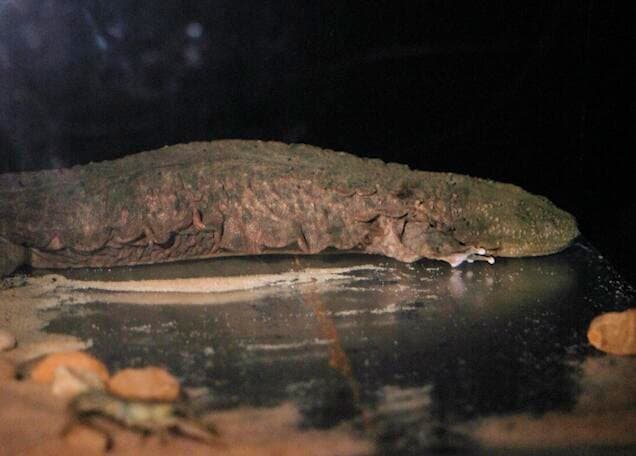
Photo via WPLN Nashville NPR
According to WPLN Nashville NPR, Appalachian researchers have begun a coordinated effort to reverse declining populations of the eastern hellbender, a large freshwater salamander species native to the region. The initiative addresses mounting pressures on the species from environmental degradation and shifting climate conditions that have reduced suitable habitats across the mountain corridor.
The hellbender, one of North America's largest salamander species, serves as an important indicator of stream health and water quality—metrics that matter for communities throughout the Southeast relying on clean water sources. Loss of this species signals broader ecological concerns that could affect regional watersheds and the businesses dependent on them, from agriculture to manufacturing operations requiring reliable water access.
Conservation efforts underway represent a collaborative approach among regional institutions working to understand breeding patterns, habitat restoration, and population recovery strategies. These initiatives demonstrate how Appalachian communities are balancing environmental stewardship with economic interests, creating opportunities for research partnerships and sustainable land management practices that benefit both natural systems and local economies.