Photo via CNBC Business
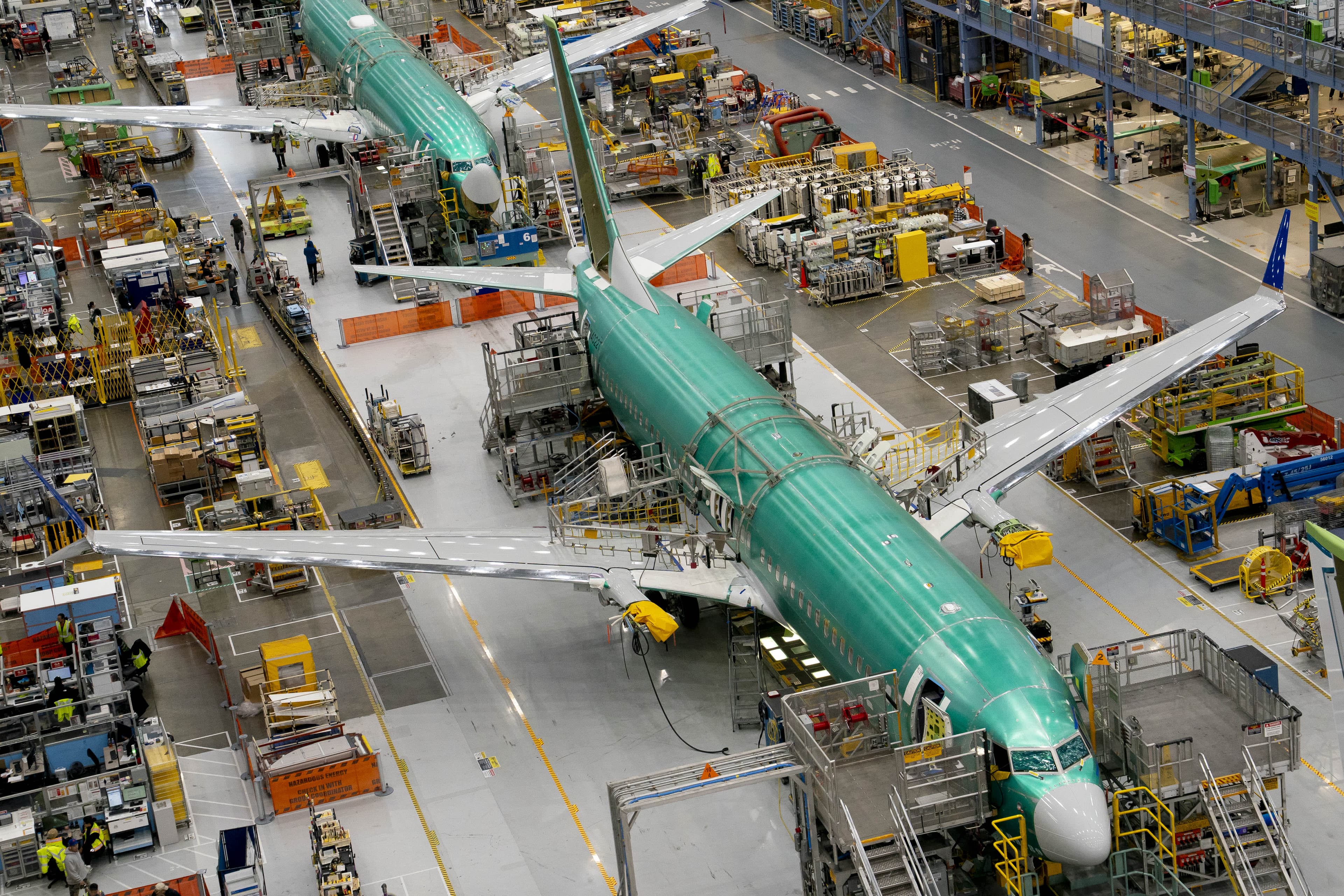
Boeing has achieved a significant operational milestone by obtaining FAA clearance to expand 737 Max production capacity to 47 aircraft per month, according to CEO Kelly Ortberg. The approval represents the company's demonstrated compliance with federal safety and manufacturing standards following years of production challenges and regulatory scrutiny.
The ramped-up production schedule reflects Boeing's efforts to recover from previous quality control issues and rebuild confidence in its flagship narrow-body aircraft. For Nashville-area suppliers and logistics providers servicing the aerospace industry, increased Boeing output could signal growing demand for specialized components, transportation services, and related support operations that feed into aircraft manufacturing.
According to the announcement, Boeing has satisfied all FAA requirements necessary for the production increase, suggesting the company has resolved manufacturing bottlenecks and quality assurance processes that previously constrained output levels. This approval comes as airlines worldwide continue placing orders for fuel-efficient aircraft to modernize aging fleets.
The production expansion also carries broader implications for regional economies dependent on aerospace manufacturing. As Boeing scales operations, suppliers and service providers across supply chains—including those in the Southeast—may experience increased business opportunities. Industry observers will monitor whether this production rate proves sustainable and how it affects competition among aircraft manufacturers and their supporting vendors.