Photo via WPLN Nashville NPR
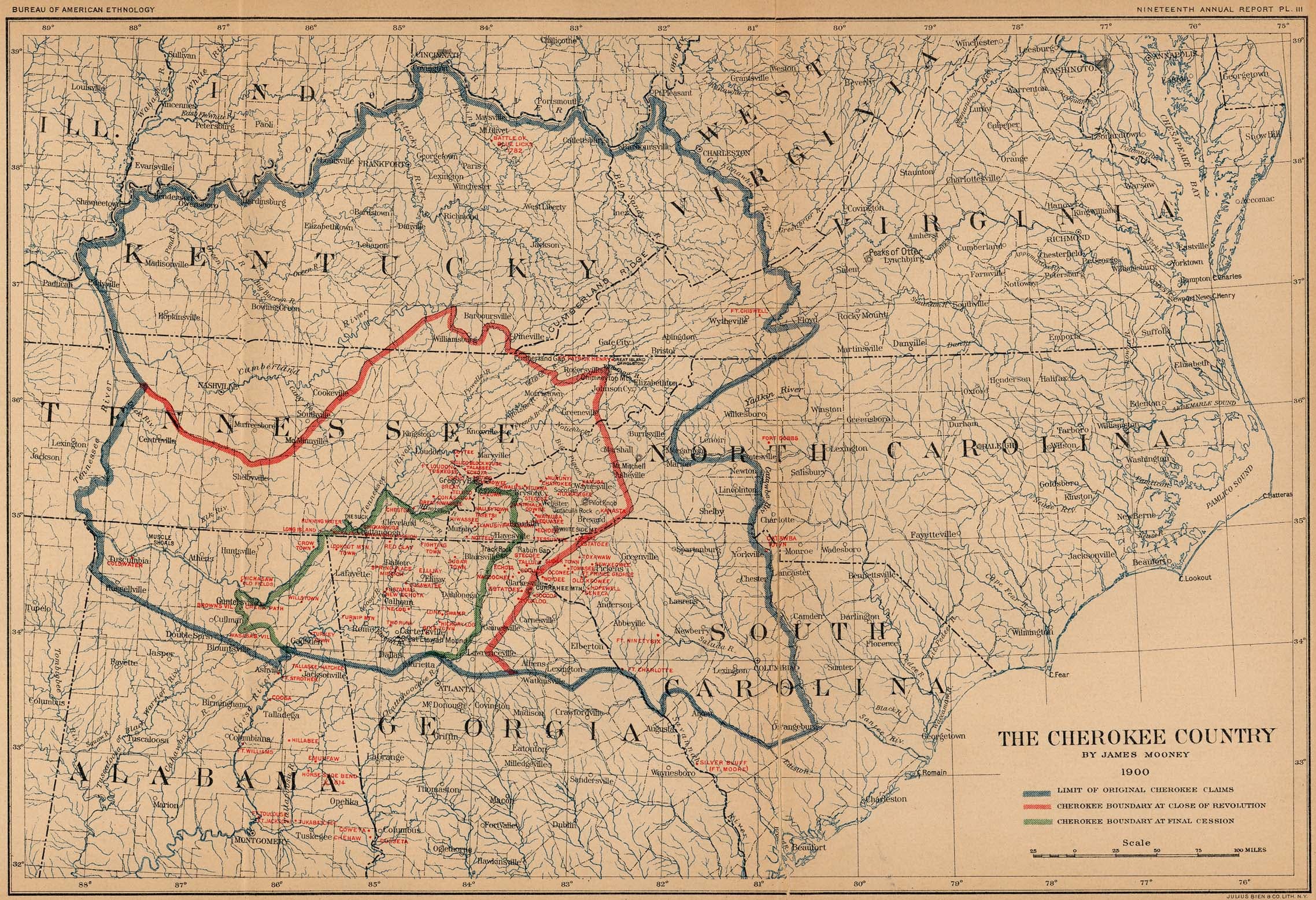
The Eastern Band of Cherokee Indians represents a remarkable chapter in American history with ongoing relevance for Nashville-area stakeholders interested in economic development and community resilience. According to WPLN Nashville's reporting, the origin story of this tribal nation reflects complex survival strategies that have sustained a distinct community through centuries of challenge. For regional business leaders, the Cherokee experience demonstrates how organizations can maintain identity and purpose despite significant external pressures.
The Cherokee Nation's historical trajectory involved forced displacement, legal battles, and difficult choices that ultimately shaped their modern governance and economic structure. These foundational experiences created institutional frameworks that prioritize long-term community welfare—a principle increasingly relevant as Nashville businesses navigate stakeholder capitalism and community responsibility. The band's ability to rebuild and establish their own economic systems offers case studies in organizational resilience applicable to modern enterprise.
Today, the Eastern Band of Cherokee Indians operates as a self-governing entity with its own business interests, including tourism, gaming, and cultural enterprises. Their economic model demonstrates how communities can leverage cultural heritage as a sustainable business foundation. Nashville's growing emphasis on creative industries and cultural tourism makes understanding these economic strategies particularly timely for local entrepreneurs and investors.
For Nashville business professionals, examining the Cherokee Nation's survival and economic development provides valuable perspective on adaptability, stakeholder engagement, and building institutions designed to endure. As regional companies increasingly focus on community impact alongside profitability, the historical lessons embedded in Cherokee institutional development offer practical insights into sustainable business practices.