Photo via WPLN Nashville NPR
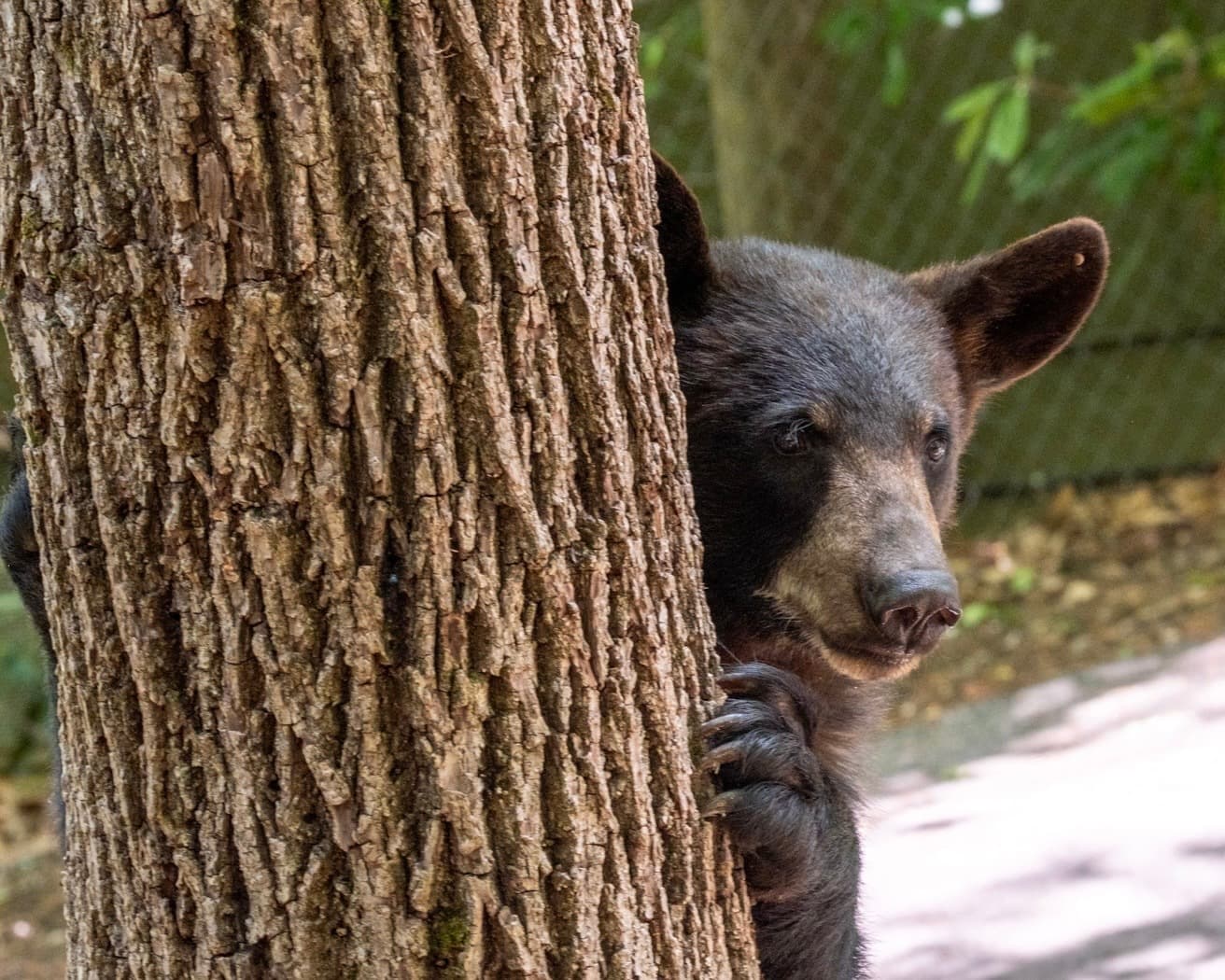
Black bear encounters are increasing across Tennessee, with climate change emerging as a significant—though often overlooked—factor in the trend. According to WPLN Nashville NPR, shifting environmental conditions are altering the delicate balance of regional ecosystems in ways that push wildlife into closer contact with human populations. For Nashville-area businesses with operations in rural or mountain regions, understanding these wildlife dynamics has become increasingly relevant to operational planning and risk management.
The root cause lies in how climate change disrupts the natural food sources that bears depend on throughout the year. As temperatures shift and growing seasons change, the timing and availability of nuts, berries, and other foraged foods become unpredictable. This forces bears to venture into populated areas and residential communities in search of sustenance, creating safety concerns and property damage that ripple through local economies, particularly in gateway communities near the Great Smoky Mountains.
For Tennessee's outdoor recreation and tourism industries, which generate significant economic activity across the region, these encounters present both challenges and opportunities. Businesses in hospitality, real estate, and adventure tourism must adapt their operations and customer communications to address wildlife management. Insurance costs, liability concerns, and the need for enhanced safety protocols are becoming standard considerations in site selection and operational budgets for mountain communities.
Wildlife management experts emphasize that proactive environmental stewardship and climate adaptation strategies can mitigate these conflicts. For Nashville-area companies with regional footprints, this underscores the business case for sustainability initiatives—not merely as corporate responsibility, but as practical risk mitigation in an era of environmental change.