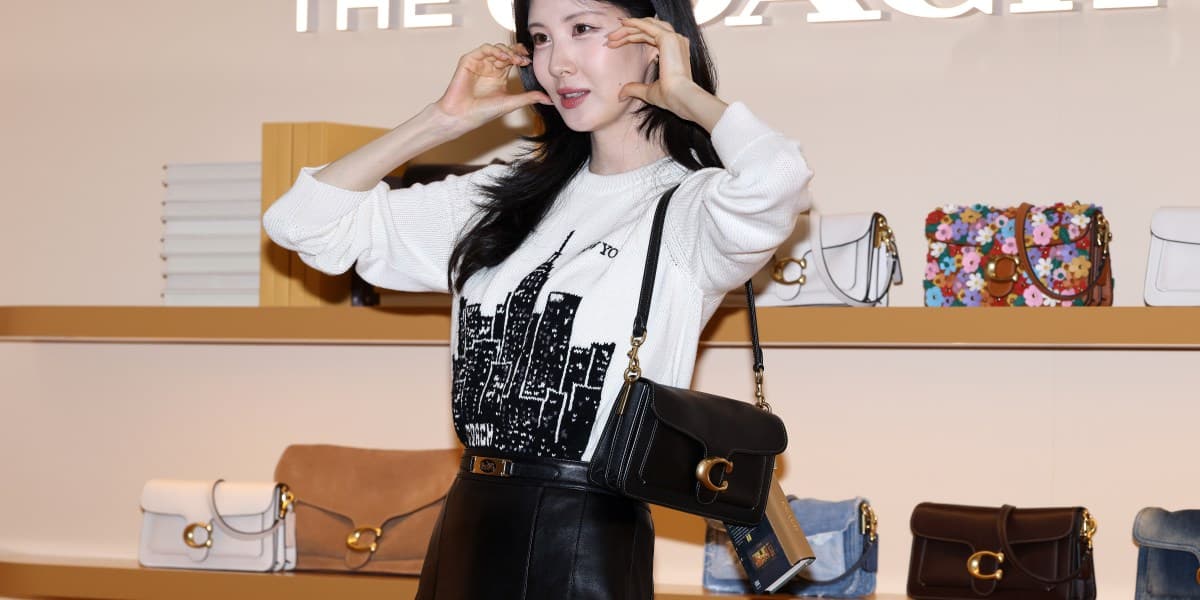
Photo via Fortune
According to Fortune, Coach has mastered a retail positioning that resonates strongly with Generation Z consumers: delivering recognizable luxury appeal at accessible price points. This strategic middle ground has become increasingly important as younger shoppers prioritize value without sacrificing brand prestige. For Nashville-area retailers and local fashion entrepreneurs, Coach's approach demonstrates how clear brand positioning can drive customer loyalty across demographic segments.
The handbag market serves as a bellwether for broader consumer behavior. Coach's success suggests that Gen Z shoppers aren't rejecting luxury—they're rejecting wasteful spending. This cohort values durability, heritage, and authentic brand stories over fast-fashion trends. Regional retailers in Nashville can apply this insight by emphasizing craftsmanship, sustainability, and transparent pricing rather than competing solely on discount or exclusivity.
Coach's performance also reflects changing retail distribution patterns. The brand maintains both traditional wholesale relationships and direct-to-consumer channels, allowing flexible pricing and inventory management. Nashville's retail sector, anchored by major shopping destinations and growing e-commerce players, can learn from this omnichannel model to better serve cost-conscious consumers seeking premium quality.
For local business leaders, Coach's strategy underscores a fundamental shift in luxury marketing: authenticity and accessibility aren't contradictory. Companies that can communicate genuine value—whether through quality materials, ethical production, or heritage—appear positioned to capture market share across economic segments. As Nashville's retail landscape evolves, this positioning may prove essential for brands seeking sustainable growth.