Photo via CNBC Business
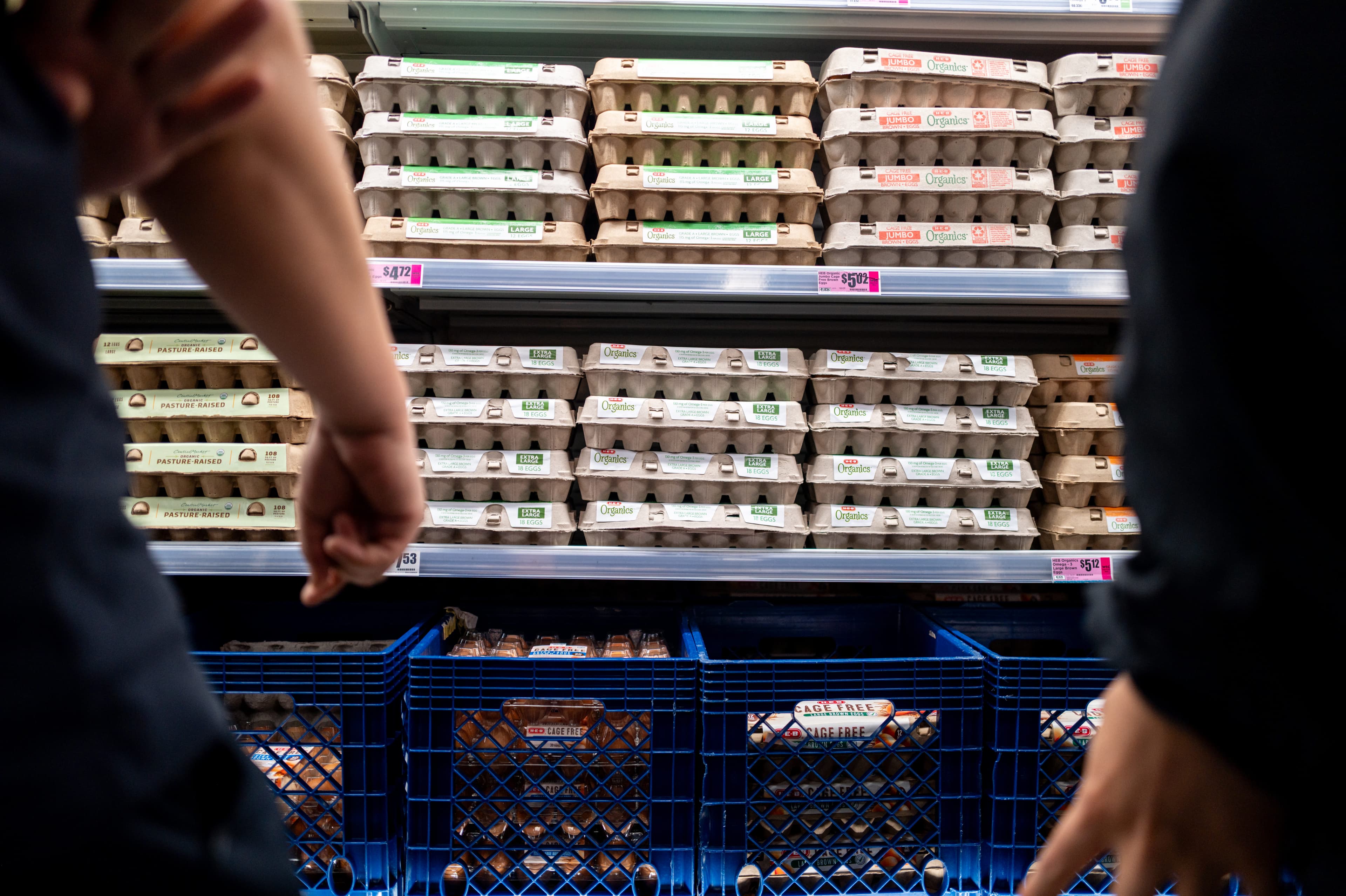
The egg market is experiencing a significant correction as supply normalizes following the avian flu crisis that devastated poultry operations nationwide. According to CNBC Business, prices have plunged due to oversupply as producers rebuild flocks and production capacity returns to pre-outbreak levels. For Nashville-area food distributors, restaurants, and retail grocers, the price decline offers short-term relief at the checkout counter and commissary, but industry observers caution that the reprieve may be temporary.
While lower egg prices benefit consumers and food service operators across Middle Tennessee, producers themselves face a different reality. The fundamental economics of egg production have shifted, with persistent increases in feed costs, fuel expenses, and labor wages cutting into margins. Agricultural economists note that these structural cost pressures show no signs of abating, meaning producers must navigate a challenging environment where falling revenues collide with stubborn input costs.
Georgia's poultry sector, a significant contributor to the state's agricultural economy, is particularly sensitive to these dynamics. Regional feed suppliers, logistics providers, and equipment manufacturers that serve egg producers may feel the impact as operations tighten spending. The squeeze on margins could prompt consolidation or operational efficiency initiatives across the supply chain.
For Nashville business leaders in food manufacturing, distribution, and hospitality, the egg price environment underscores the importance of supply chain resilience and cost management. While current price levels may improve short-term food costs, the underlying pressures facing producers suggest volatility could return if feed or energy prices spike further, making long-term contracting and supplier relationships increasingly critical.