Photo via CNBC Business
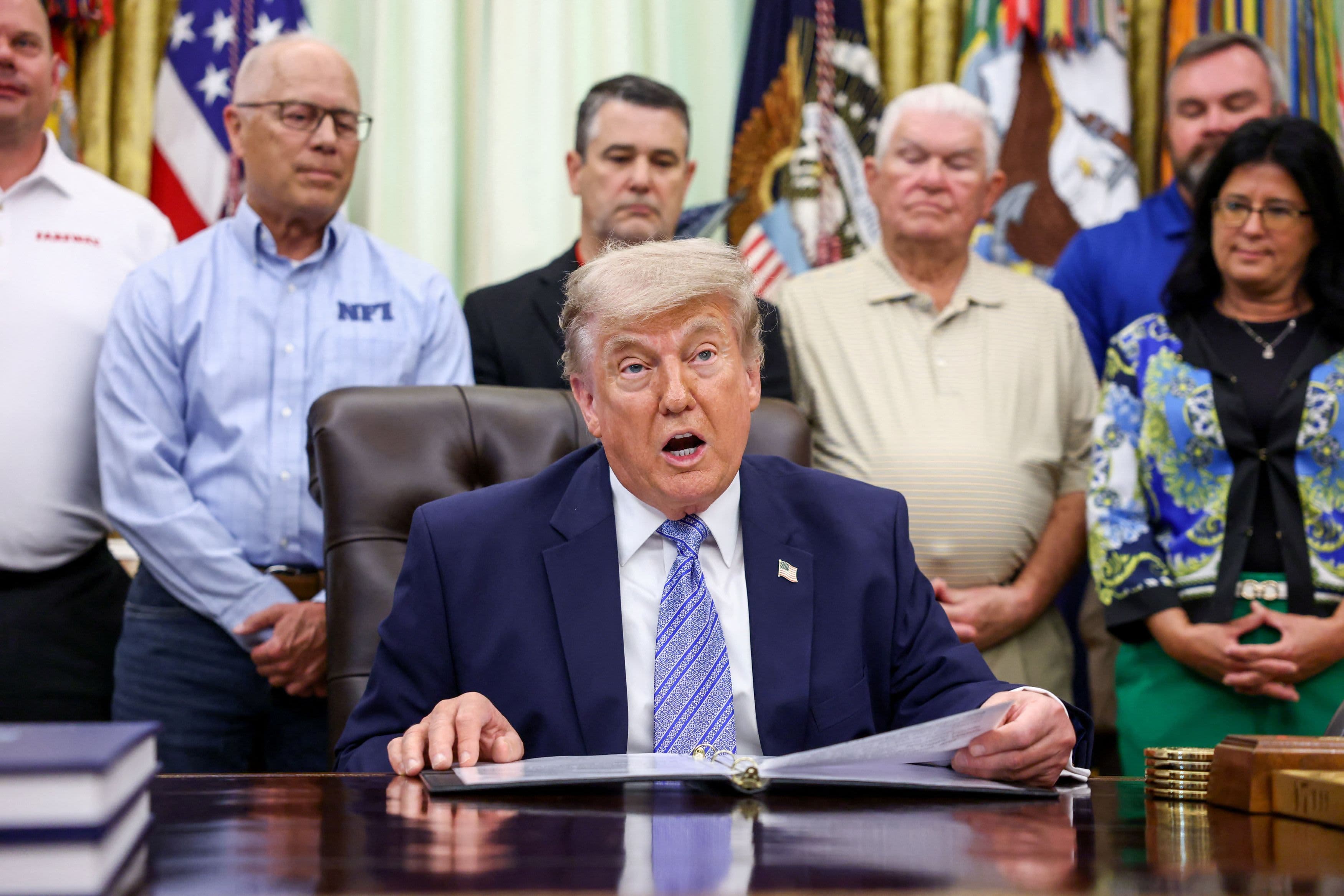
The Trump administration has moved to delay environmental regulations governing commercial refrigerants, citing potential relief for consumers at the grocery checkout. According to CNBC Business, the administration argues that the Biden-era EPA rules would drive up operational costs for food retailers, which would ultimately be passed along to shoppers through higher prices. However, the actual economic impact of delaying these regulations remains far from certain, with analysts expressing skepticism about whether any savings would materialize.
Commercial refrigeration is a critical infrastructure component for grocery stores, convenience retailers, and food service operations—industries with significant presence throughout the Nashville region. The proposed EPA rules focused on transitioning to newer, more environmentally friendly refrigerants, which manufacturers and retailers claimed would require substantial capital investments in equipment upgrades. If such costs were avoided through regulatory delay, the question becomes whether businesses would pocket the savings or pass them to consumers.
Economic research suggests the relationship between regulatory costs and retail pricing is more complex than simple cost-pass-through. Many factors influence grocery prices, including competition, supply chain dynamics, and labor costs—variables that may dwarf the impact of refrigerant compliance expenses. Additionally, some industry analysts note that modernizing refrigeration equipment often reduces long-term operating costs through improved energy efficiency, potentially offsetting upfront compliance investments.
For Nashville-area business owners and consumers, monitoring this issue remains important as federal policy continues to shift. Retail leaders should track whether delayed EPA rules actually translate to lower operating costs and whether competitive pressures in the local market encourage them to share any benefits with shoppers, or if other economic forces continue to drive pricing decisions.