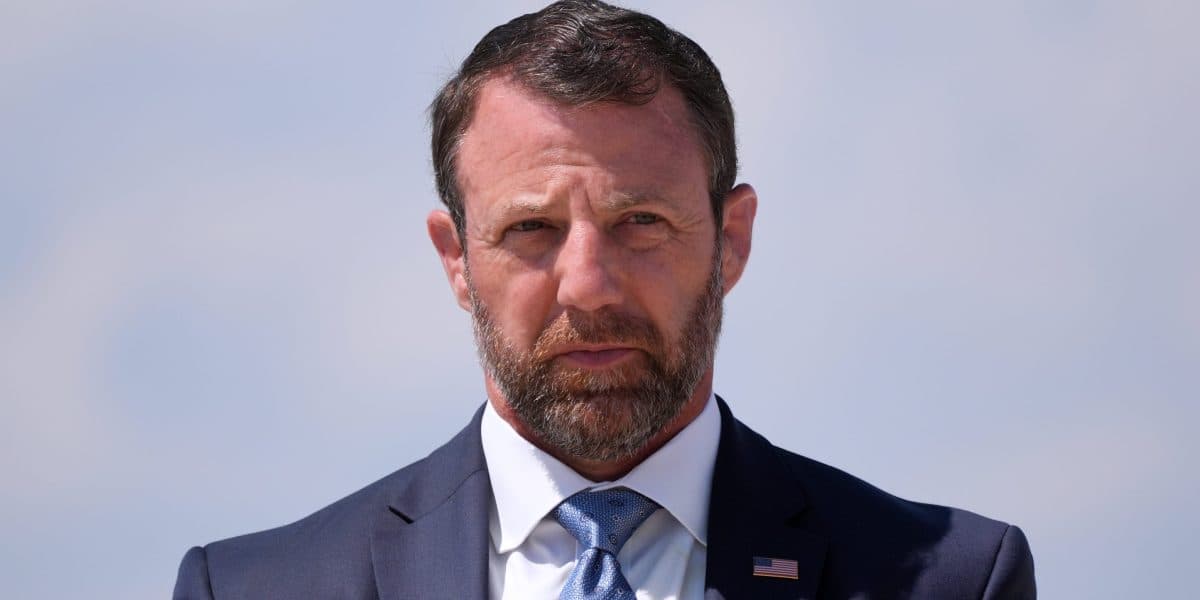
Photo via Fortune
The travel industry, already weathered by recent disruptions, faces fresh uncertainty as federal agencies clash over immigration enforcement at airports. According to Fortune, Transportation Secretary Sean Duffy has signaled resistance to what he characterizes as politically motivated restrictions on air travel, marking a notable division within the Biden administration over how to balance security policies with transportation continuity.
For Nashville's business community, airport stability matters significantly. Nashville International Airport serves as a critical hub for both leisure and business travelers, supporting the region's thriving tourism industry and convention business. Any federal actions that disrupt flight operations or passenger volumes could directly impact hotels, restaurants, attractions, and the broader hospitality sector that depends on steady visitor traffic.
The dispute centers on how federal agencies should coordinate enforcement at transportation hubs, particularly regarding sanctuary city policies. Duffy's position—that shutting down air travel should not be used as a political tool—reflects concerns that overly aggressive enforcement could paralyze commerce. This tension underscores a broader challenge facing policymakers: balancing security imperatives with the operational needs of businesses that rely on seamless travel infrastructure.
Nashville business leaders should monitor this developing situation closely. Any sustained disruptions to air travel could affect supply chains, convention attendance, and workforce mobility. The regional economy's resilience may depend on how federal officials ultimately resolve these interagency disagreements and implement policies that protect both security and commerce.